Introduction to the Endocrine System
The endocrine system is a complex network of glands and organs that produce, regulate, and release hormones into the bloodstream. These hormones act as chemical messengers, influencing numerous bodily functions, including metabolism, growth, mood, and reproduction. Unlike the nervous system, which communicates through electrical impulses, the endocrine system works through hormonal signals, offering a slower but longer-lasting effect. This system is vital for maintaining homeostasis, ensuring the body’s internal environment remains stable despite external changes.
Definition and Primary Functions
The endocrine system derives its name from “endo,” meaning inside, and “crine,” meaning secretion. This reflects its key function: releasing hormones directly into the bloodstream to regulate the activity of distant target organs. Hormones play critical roles in:
- Metabolic regulation: Controlling energy production and utilization.
- Growth and development: Guiding physical maturation from infancy to adulthood.
- Reproductive health: Regulating fertility, menstruation, and sexual function.
- Stress response: Managing the body’s reaction to stress through cortisol and adrenaline.
- Mood and emotional balance: Influencing psychological well-being through hormones like serotonin and dopamine.
Overview of Major Endocrine Glands
The endocrine system is composed of several glands, each with a specific role in maintaining the body’s balance:
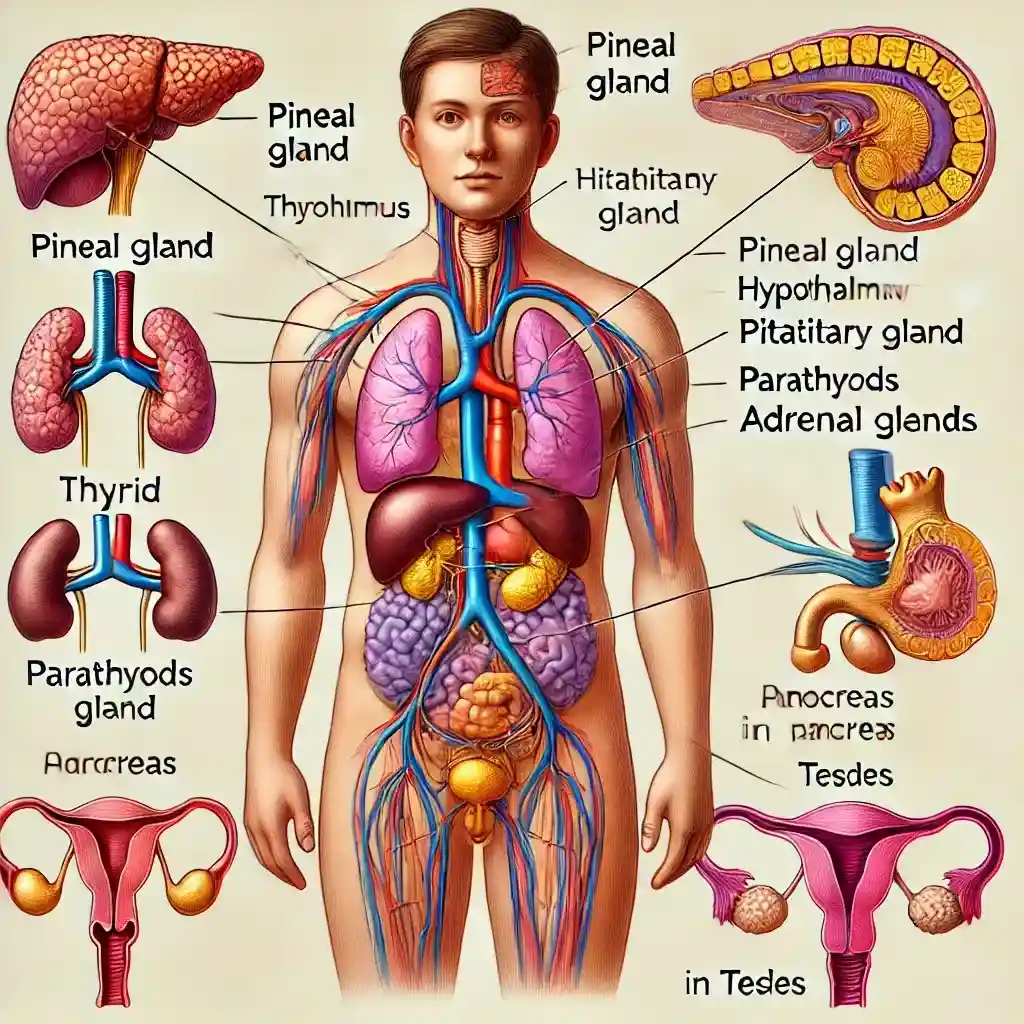
- Hypothalamus: Often referred to as the brain’s “control center,” this gland links the nervous system to the endocrine system. It regulates hunger, thirst, body temperature, and circadian rhythms by controlling the pituitary gland.
- Pituitary Gland: Known as the “master gland,” it secretes hormones that influence nearly all other endocrine glands. It regulates growth (via growth hormone), reproduction (through luteinizing and follicle-stimulating hormones), and stress (via adrenocorticotropic hormone).
- Thyroid Gland: Located in the neck, this gland produces hormones like thyroxine (T4) and triiodothyronine (T3), which regulate metabolism, energy levels, and heart rate.
- Parathyroid Glands: These small glands behind the thyroid regulate calcium levels in the blood, crucial for bone health and muscle function.
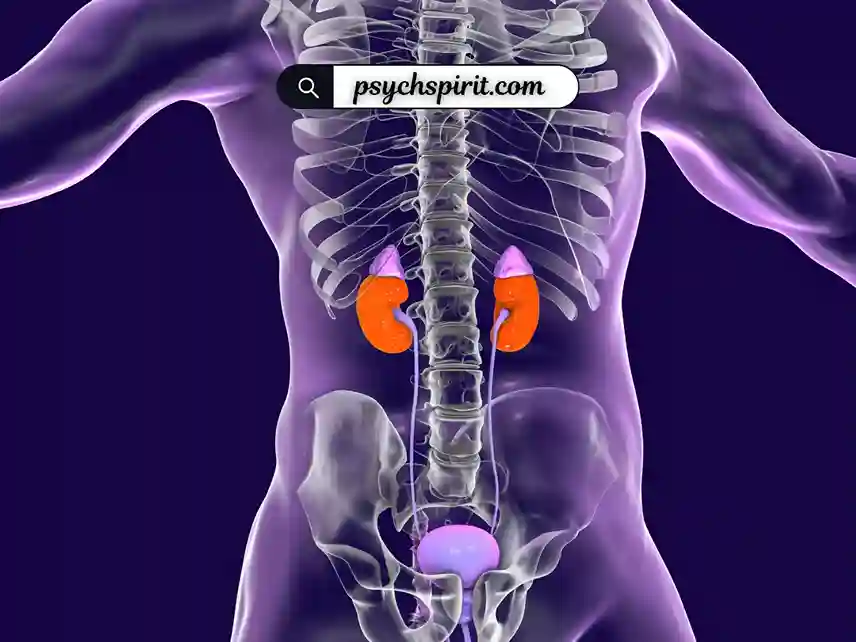
- Adrenal Glands: Positioned above the kidneys, they produce cortisol, which helps manage stress, and adrenaline, which triggers the “fight-or-flight” response.
- Pancreas: An organ with both endocrine and exocrine functions, it regulates blood sugar levels by producing insulin and glucagon.
- Gonads (Ovaries and Testes): These reproductive glands secrete sex hormones like estrogen, progesterone, and testosterone, which influence fertility, sexual function, and secondary sexual characteristics.
- Pineal Gland: Situated deep in the brain, it regulates sleep patterns through the production of melatonin.
Hormones and Their Psychological Impact
The endocrine system significantly influences our psychological well-being through the secretion of hormones. These biochemical messengers are pivotal in connecting the body and mind, influencing mood, cognition, and behavior. Understanding how these hormones interact with the brain can provide insights into both mental health and the physiological processes behind emotional and cognitive functions.
Mechanisms of Hormone Action on the Brain
Hormones produced by the endocrine system affect the brain in complex ways. Once released into the bloodstream, these hormones travel to the brain and bind to specific receptors on neurons, the brain’s nerve cells. This binding alters neuronal activity and neurotransmitter levels, leading to changes in thought, emotion, and behavior. For example:
- Thyroid hormones (T3 and T4) are crucial for brain development and regulating metabolism within brain cells, impacting alertness and cognitive speed.
- Cortisol, known as the stress hormone, affects areas of the brain that control mood, motivation, and fear, linking the endocrine system to stress responses and mood disorders such as depression and anxiety.
- Estrogen and testosterone influence the limbic system, which is responsible for emotional responses and mood regulation. Variations in the levels of these hormones can affect one’s mental state and lead to mood swings.
These hormones act as modulators of the central nervous system and play vital roles in brain function and development, highlighting the integral role of the endocrine system in mental health.
Influence on Mood, Cognition, and Behavior
The impact of the endocrine system on mood, cognition, and behavior is profound and far-reaching. Hormonal imbalances or fluctuations can lead to significant changes in a person’s emotional and cognitive state. Some key examples include:
- Cortisol: Elevated cortisol levels, often a result of chronic stress, can impair cognitive processes such as learning and memory, and are associated with increased risk of depression.
- Estrogen: This hormone enhances mood and cognition by increasing the concentration of neurotransmitters such as serotonin and dopamine in the brain. Low levels, as seen during the menopausal transition or postpartum period, can lead to mood disorders.
- Thyroid hormones: Hypothyroidism (low thyroid hormone levels) can cause symptoms such as fatigue, depression, and cognitive slowing, while hyperthyroidism (high thyroid hormone levels) can result in anxiety, irritability, and nervousness.
Psychologists and mental health professionals often explore the relationship between hormonal health and mental health to better understand the underlying causes of psychological disorders and develop effective treatments. For instance, treatments that balance hormone levels, such as thyroid hormone replacement or estrogen therapy, can significantly improve mental health outcomes.
By integrating knowledge of the endocrine system and its effects on the brain, individuals can better manage their mental health, optimizing both emotional well-being and cognitive performance. This approach is crucial in fields such as psychology and psychiatry, where understanding the biological underpinnings of mental states is essential for effective therapy and intervention.
Key Endocrine Glands and Associated Hormones
The endocrine system consists of several key glands that produce and release hormones critical to maintaining various bodily functions, from metabolism to reproduction. Each gland has a specific role, influencing different aspects of physical and psychological health. Understanding these glands and their hormones provides insights into how our bodies function holistically.
Hypothalamus: Regulating Homeostasis
The hypothalamus is a vital part of the endocrine system, located in the brain. It serves as the command center, linking the nervous system to the endocrine system via the pituitary gland. The hypothalamus plays a crucial role in maintaining homeostasis, regulating a range of bodily functions including temperature, hunger, thirst, sleep, mood, and sex drive. It responds to a variety of signals from the body, adjusting hormone levels to keep internal conditions stable. For example, it releases thyrotropin-releasing hormone (TRH) and corticotropin-releasing hormone (CRH), which influence thyroid function and stress responses, respectively.
Pituitary Gland: The ‘Master Gland’
Often termed the “master gland,” the pituitary gland is a small, pea-sized gland situated at the base of the brain. Despite its size, it has a profound impact on the endocrine system by producing hormones that regulate other endocrine glands. For instance, it secretes growth hormone (GH), which stimulates growth and cell reproduction, and prolactin, which is essential for milk production. The pituitary gland also produces follicle-stimulating hormone (FSH) and luteinizing hormone (LH), which are crucial for reproductive health, controlling the menstrual cycle in women and sperm production in men.
Adrenal Glands: Stress Response and Adrenaline
The adrenal glands are located on top of each kidney and are best known for their role in the body’s stress response. They produce adrenaline (epinephrine) and cortisol, hormones that ramp up the body’s fight-or-flight response. Adrenaline increases heart rate, elevates blood pressure, and boosts energy supplies, while cortisol, the primary stress hormone, increases sugars in the bloodstream and enhances the brain’s use of glucose. This response prepares the body to face a crisis by temporarily altering normal functions.
Thyroid Gland: Metabolism and Energy Levels
The thyroid gland, located in the neck, plays a significant role in the endocrine system by regulating metabolism through the release of thyroid hormones, thyroxine (T4) and triiodothyronine (T3). These hormones affect almost every cell in the body and help control the speed of your metabolism—the rate at which your body uses energy. A well-functioning thyroid keeps energy levels and weight stable, whereas dysfunction can lead to symptoms like fatigue, weight gain, and depression.
Gonads (Ovaries and Testes): Reproductive Hormones
The gonads, which include the ovaries in females and testes in males, are essential reproductive glands in the endocrine system. They produce sex hormones—primarily estrogen, progesterone, and testosterone—that regulate sexual development, reproduction, and secondary sexual characteristics like muscle mass and hair distribution. In females, the ovaries release eggs and control the menstrual cycle, while in males, the testes produce sperm and maintain libido.
Endocrine System and Stress Response
The endocrine system plays a crucial role in how our bodies respond to stress. It orchestrates a complex process involving various glands and hormones, particularly through the hypothalamic-pituitary-adrenal (HPA) axis, which is central to managing how we react to stress. By examining the function of this axis and the role of cortisol, we can understand the biochemical pathways that influence our stress responses, providing insights into managing stress and anxiety more effectively.
Hypothalamic–Pituitary–Adrenal (HPA) Axis Function
The HPA axis is a dynamic trio of the hypothalamus, pituitary gland, and adrenal glands, which are major components of the endocrine system. This axis regulates the body’s response to stress and is critical for survival. Here’s how it works:
- Stress Recognition: When the brain perceives stress, the hypothalamus releases corticotropin-releasing hormone (CRH).
- Hormonal Cascade: CRH triggers the pituitary gland to secrete adrenocorticotropic hormone (ACTH).
- Cortisol Production: ACTH stimulates the adrenal glands to produce cortisol.
This hormonal cascade results in the production of cortisol, which mobilizes energy and tempers bodily functions that would be non-essential or detrimental in a fight-or-flight situation, such as digestion and reproduction. Understanding the HPA axis helps clarify why chronic stress can lead to various health problems, such as immune suppression, endocrine imbalance, and mental health disorders.
Cortisol’s Role in Stress and Anxiety
Cortisol, often referred to as the “stress hormone,” is pivotal in the stress response mechanism of the endocrine system. Its primary functions include:
- Energy Regulation: Cortisol helps regulate metabolism to ensure that the body has enough energy to face stressors.
- Immune Response Modulation: It temporarily suppresses functions like digestion, reproduction, and growth to focus resources on emergency responses.
- Stress Recovery: Cortisol aids in the recovery from stress, helping the body return to baseline after a stressor has passed.
However, when cortisol levels are chronically elevated, it can lead to significant issues such as anxiety, weight gain, sleep disturbances, and hormonal imbalances. People experiencing long-term stress may find that they feel perpetually fatigued yet unable to relax or achieve deep sleep, and they may struggle with anxiety or depression.
Balancing cortisol levels can be key in managing stress and reducing anxiety. Strategies include regular physical activity, adequate sleep, mindfulness practices, and a balanced diet. Understanding the role of cortisol and the function of the HPA axis within the endocrine system not only explains the physiological response to stress but also guides effective management strategies to maintain health and well-being.
Hormonal Imbalances and Psychological Disorders
Hormonal imbalances in the endocrine system can profoundly affect mental health, leading to various psychological disorders. The intricate relationship between hormones and psychological well-being cannot be understated, as hormones like thyroid hormones, cortisol, and sex hormones play significant roles in regulating mood, energy levels, and overall mental health. Understanding how thyroid dysfunction, adrenal insufficiency, and conditions like polycystic ovary syndrome (PCOS) influence mental health is crucial for effective diagnosis and treatment.
Impact of Thyroid Dysfunction on Mood
Thyroid hormones, produced by the thyroid gland which is a key component of the endocrine system, are critical for regulating metabolism, energy, and brain function. Dysfunctions such as hypothyroidism (low thyroid hormone levels) or hyperthyroidism (high thyroid hormone levels) can lead to significant mood disorders:
- Hypothyroidism: Common symptoms include fatigue, weight gain, and a pervasive sense of lethargy, which can manifest as depression or severe mood swings. The slowed metabolism and energy production can affect brain function, leading to impaired cognitive processes and a dulled emotional state.
- Hyperthyroidism: Symptoms might include anxiety, nervousness, and hyperactivity. The excess of thyroid hormones can create a constant state of overstimulation, resulting in sleep disturbances and emotional volatility.
Addressing thyroid-related mood disturbances involves treating the underlying thyroid condition, often with hormone replacement therapy for hypothyroidism or medication that reduces thyroid hormone production in hyperthyroidism. This can stabilize mood swings and improve overall mental health.
Adrenal Insufficiency and Depression
Adrenal insufficiency, another critical concern within the endocrine system, occurs when the adrenal glands do not produce enough cortisol. Cortisol is essential for regulating stress, metabolism, and immune responses. Insufficient cortisol levels can lead to:
- Chronic Fatigue: A hallmark symptom that exacerbates feelings of depression and helplessness.
- Muscle Weakness: Limits physical activity, reducing the production of endorphins, which are natural mood lifters.
- Low Blood Pressure: Can cause dizziness and fatigue, further reducing life quality and leading to social withdrawal and depression.
Treatment typically involves hormone replacement therapy to maintain adequate cortisol levels, which can significantly alleviate symptoms of depression and improve the quality of life.
See Related Content






Polycystic Ovary Syndrome (PCOS) and Mental Health
PCOS is a condition where the ovaries produce an abnormal amount of androgens, male sex hormones that are usually present in women in small amounts. The imbalance can lead to various symptoms, including menstrual irregularity, obesity, acne, and excess hair growth. Beyond the physical symptoms, PCOS is strongly linked to mental health issues:
- Depression and Anxiety: Women with PCOS are often more susceptible to experiencing depression and anxiety due to hormonal imbalances, particularly related to fluctuations in estrogen and progesterone.
- Body Image Issues: Physical changes such as weight gain and hirsutism (excessive hair growth) can affect self-esteem and contribute to emotional distress.
Managing PCOS often requires a multidisciplinary approach, including lifestyle changes, medication to regulate menstrual cycles and hormone levels, and psychological support to address the mental health aspects associated with the condition.
Behavioral Endocrinology: Research and Applications
Behavioral endocrinology examines how the endocrine system influences behaviors, utilizing insights from recent research to improve therapeutic interventions. This field explores the link between hormonal changes and behavioral outcomes, such as aggression and empathy, and applies this knowledge to develop treatments that target these hormonal pathways. Understanding the biochemical mechanisms behind behaviors can lead to more effective management of psychological conditions and enhance overall mental health.
Studies Linking Hormones to Aggression and Empathy
Research in behavioral endocrinology has provided significant insights into how the endocrine system impacts complex behaviors. Several studies have demonstrated a correlation between hormones and behaviors like aggression and empathy:
- Aggression: Testosterone is widely studied for its connection to aggressive behavior. Elevated testosterone levels have been linked to increased aggression in both animal models and human studies. However, the relationship is complex and influenced by environmental and genetic factors, suggesting that while testosterone can predispose individuals to aggression, it is not the sole determinant.
- Empathy: Oxytocin, sometimes called the “love hormone,” is associated with bonding, maternal behavior, and empathy. Research has shown that oxytocin can enhance the ability to read emotional expressions and improve interpersonal interactions, making it a focal point for studies on improving social behaviors and reducing social anxiety.
These studies highlight the role of hormones in regulating behavior and underscore the potential of hormonal manipulation in treating behavioral disorders.
Therapeutic Interventions Targeting Hormonal Pathways
Building on the insights gained from research, therapeutic interventions have been developed to modify the endocrine system for behavioral management:
- Testosterone Modulation: Treatments that lower testosterone levels have been used to manage severe aggression and impulsivity in psychiatric settings. These interventions are particularly relevant in cases where high testosterone is linked to antisocial or aggressive behaviors.
- Oxytocin Administration: Oxytocin sprays have been tested as a treatment to enhance social skills in individuals with autism spectrum disorders (ASD) and social anxiety, promoting feelings of trust and improving social cognition.
Further, interventions targeting stress-related hormones like cortisol are being explored to treat anxiety and stress disorders, demonstrating how modifying hormonal responses can aid in managing psychological well-being.
The field of behavioral endocrinology offers promising avenues for exploring how the endocrine system affects behavior and developing hormonal-based therapies. These approaches not only broaden our understanding of the biological underpinnings of behavior but also open up new pathways for treating complex behavioral and emotional disorders.
Practical Implications for Psychology Professionals
Understanding the endocrine system is not only crucial for endocrinologists but also for psychology professionals. The integration of endocrinological knowledge into psychological practice can significantly enhance the effectiveness of therapies and assessments. By considering hormonal factors in psychological evaluations and integrating endocrinology into therapeutic approaches, psychologists and therapists can offer more personalized and effective treatments.
Assessing Hormonal Factors in Psychological Evaluations
Psychological evaluations typically focus on cognitive, emotional, and behavioral factors. However, incorporating an assessment of the endocrine system can provide a more comprehensive understanding of an individual’s psychological condition. Hormones such as cortisol, thyroid hormones, and sex hormones can greatly influence mood, behavior, and cognitive functions, thus affecting mental health. Here’s how psychology professionals can assess these factors:
- Screening for Hormonal Imbalances: Incorporating blood tests or other diagnostic tools to check for hormonal imbalances that might contribute to psychological symptoms such as depression, anxiety, or mood swings.
- Symptom Correlation with Hormonal Changes: Identifying patterns in symptom severity and timing (e.g., menstrual cycle, thyroid dysfunction) to correlate psychological symptoms with potential hormonal causes.
- Collaboration with Medical Professionals: Working closely with endocrinologists or primary care physicians to interpret hormonal test results and their implications for mental health.
Integrating Endocrinology Knowledge into Therapy
Integrating knowledge of the endocrine system into therapy practices can vastly improve treatment outcomes for patients with hormone-related psychological issues. Here’s how therapists can utilize this integration effectively:
- Hormonal Impact Awareness: Educating patients about how hormones affect their mood and behavior can be empowering and help in managing expectations and outcomes of therapy.
- Behavioral Modification to Influence Hormones: Implementing lifestyle and behavioral changes that can positively affect hormone levels, such as stress management techniques, exercise regimens, and dietary adjustments.
- Holistic Treatment Approaches: Designing treatment plans that address both psychological and endocrinological health, potentially including pharmacological interventions, behavioral therapies, and lifestyle modifications.
For instance, if a patient is diagnosed with depression and tests reveal an underactive thyroid (hypothyroidism), the therapy could integrate thyroid hormone replacement therapy alongside traditional psychological interventions. This holistic approach ensures that both the psychological and physiological bases of the symptoms are treated.
Future Directions in Endocrine Psychology Research
The field of endocrine psychology is rapidly evolving, with promising research directions that could transform our understanding of the endocrine system and its impact on mental health. Two areas of significant potential are the exploration of gut-brain-endocrine interactions and the development of advanced technologies for hormone monitoring. These advancements hold the promise of revolutionizing both the diagnosis and treatment of psychological disorders linked to hormonal imbalances.
Emerging Studies on Gut-Brain-Endocrine Interactions
The connection between the gut, brain, and endocrine system—often referred to as the gut-brain-axis—is gaining significant attention in psychological research. Emerging studies suggest that the gut microbiome can influence the endocrine system by affecting hormone regulation, which in turn impacts mental health. For instance:
- Hormonal Influence: The gut microbiota can produce and influence neurotransmitters and neuropeptides that play a role in mood and behavior, such as serotonin, which is predominantly produced in the gastrointestinal tract.
- Stress Response: Research indicates that the gut microbiota can affect the body’s response to stress, potentially influencing the production of stress-related hormones like cortisol.
Understanding these interactions provides insights into how modifying gut health through diet, probiotics, and lifestyle changes could offer new ways to treat mental health disorders that may be influenced by hormonal imbalances. It opens a new frontier in endocrine psychology research, potentially leading to holistic approaches to mental health interventions.
Technological Advancements in Hormone Monitoring
Advancements in technology are dramatically changing how the endocrine system can be monitored and studied. New tools and devices are enabling more precise and continuous hormone level monitoring, which can provide real-time data on how hormonal fluctuations impact mental health. Key developments include:
- Wearable Technology: Devices similar to fitness trackers but designed to monitor hormonal fluctuations throughout the day. This technology can help link changes in hormone levels with mood shifts, providing valuable data for personal health management and clinical treatment plans.
- Lab-on-a-chip Devices: These portable devices allow for quick and easy hormone level testing at home or in the doctor’s office, without the need for large lab equipment. They can measure hormones such as cortisol and thyroid-stimulating hormone (TSH) from small samples of blood or saliva.
Such technologies not only improve the understanding of the endocrine system but also personalize patient care. By continuously monitoring hormone levels, healthcare providers can tailor treatments more effectively and adjust them based on immediate feedback from the patient’s own body.
The future of endocrine psychology research looks promising, with the integration of gut-brain-endocrine studies and innovative hormone monitoring technologies paving the way for advanced and personalized mental health care. These developments will help to further elucidate the complex interactions within the endocrine system, offering new insights and more effective treatments for psychological disorders influenced by hormonal imbalances.
FAQs
You May Like More Information About Us