
Introduction to Punishment
In discussing the concept of “punishment” within behavioral and social contexts, it is crucial to begin with a clear definition and a look at the various forms that it can take. This examination not only sets the stage for deeper insights into the effects and ethics of it but also aligns with highly searched queries that revolve around understanding its fundamental aspects and historical evolution.
Definition and Types of Punishment and its effects
Punishment refers to the imposition of a penalty or hardship in response to an offense or misbehavior. It is a method commonly used in various settings, from the justice system to schools and the workplace, aiming to discourage unacceptable behavior. There are several types of punishment that are widely recognized:
- Positive : Adding an unfavorable outcome in response to an undesirable behavior. For example, assigning extra homework when students are disruptive in class.
- Negative : Removing a favorable outcome, such as taking away a child’s video game privileges as a result of poor behavior.
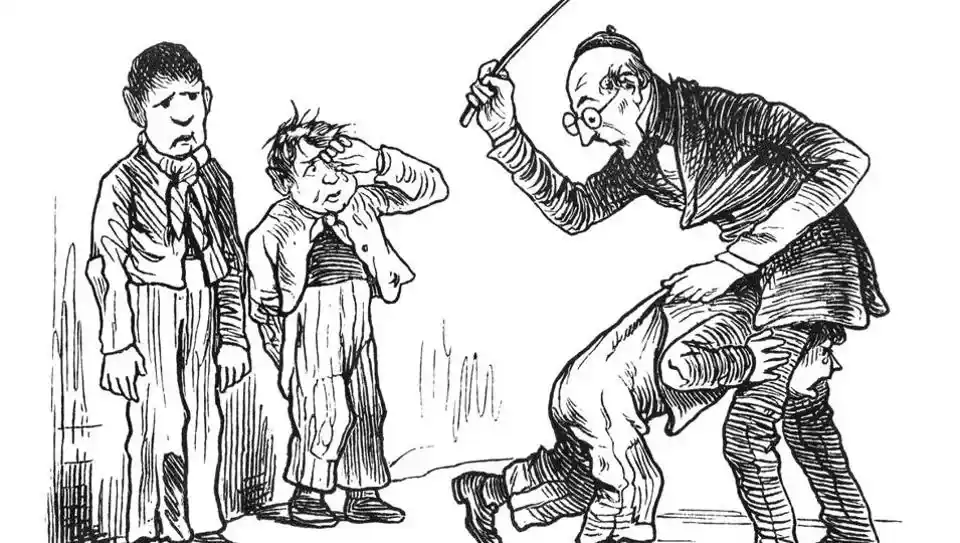
- Physical : This includes any form of physical pain delivered as a penalty, such as spanking or corporal punishment in schools.
- Psychological : Involves the use of verbal reprimands, isolation, or other forms of psychological pressure.
Brief History of Punishment Theories
The theoretical underpinnings of punishment can be traced back to ancient civilizations, but significant developments occurred during the Enlightenment period, which influenced modern disciplinary methods. Early theories, such as those proposed by Cesare Beccaria and Jeremy Bentham, argued for punishment as a means to deter crime, suggesting that the severity of punishment should be proportionate to the crime to effectively prevent future offenses.
In the 20th century, behaviorists like B.F. Skinner examined punishment through the lens of behavior modification. Skinner’s research suggested that punishment, while effective in the short term, might not lead to a permanent change in behavior and could have adverse psychological effects. This has led to a shift towards more rehabilitative approaches in recent years, especially in educational and juvenile justice systems.
The evolution of punishment theories shows a growing emphasis on understanding the ethical implications and long-term effectiveness of different types of punishment. This historical context is not only crucial for academic and professional discussions but also enriches the content for readers seeking to understand the complex dynamics of behavioral management.
Psychological Theories Behind Punishment
Understanding the psychological theories behind “punishment” is essential for comprehending its effects and mechanisms in shaping behavior. This section of our article delves into the role of operant conditioning in the application of punishment, as well as the cognitive and emotional responses that punishment elicits from individuals. By exploring these theories, we can better understand the complex dynamics of how and why punishment affects behavior in various contexts.
Operant Conditioning and Punishment
Operant conditioning is a fundamental psychological theory developed by B.F. Skinner that describes how behaviors are influenced by their consequences. In the context of “punishment,” operant conditioning involves the application of an adverse stimulus following an undesirable behavior, with the intent to decrease that behavior’s occurrence. There are two main types of punishment in operant conditioning:
Positive Punishment: This involves presenting an unpleasant stimulus after a behavior, such as adding chores when a child fails to do their homework.
Negative Punishment: This form involves removing a pleasant stimulus, such as taking away a teenager’s gaming privileges after missing curfew.
The theory posits that if a behavior leads to a negative outcome, it becomes less likely to occur in the future. However, the effectiveness of punishment through operant conditioning can vary greatly depending on factors such as timing, consistency, and the emotional context in which the punishment is applied.
Cognitive and Emotional Responses to Punishment
Punishment not only affects behavioral patterns but also elicits complex cognitive and emotional responses. Cognitively, individuals may learn to avoid punishment through changing their behavior, but they might also learn to avoid the situation altogether, which can reduce the effectiveness of punishment as a learning tool. Emotionally, punishment can lead to feelings of resentment, fear, or anxiety, which may damage relationships and decrease the likelihood of long-term positive behavior change.
Research has shown that the emotional impact of punishment can also lead to unintended consequences, such as increased aggression or secretive behavior. Therefore, understanding these responses is crucial for anyone employing punishment as a strategy, particularly in sensitive environments like schools or homes, where the emotional well-being of individuals is paramount.
Types of Punishment in psychology with its effects
In exploring the effects and applications of “punishment,” it’s crucial to distinguish between the different types that are implemented across various settings—from schools and workplaces to homes and judicial systems. This differentiation helps in understanding how each “punishment” type affects behavior and the overall psychological wellbeing of individuals. We will focus on two main distinctions: positive versus negative punishment, and immediate versus delayed punishment, addressing their implications and effectiveness.
Positive vs. Negative Punishment
Positive punishment involves introducing an undesirable outcome or stimulus following an unwanted behavior, with the intent to decrease the likelihood of the behavior recurring. For example, a driver receives a speeding ticket for driving too fast. This type of “punishment” adds something to the mix in order to enforce discipline.
Negative punishment, on the other hand, entails the removal of a desirable stimulus after a behavior occurs with the aim of reducing that behavior. An example is confiscating a favorite toy when a child misbehaves. This method takes something away as a way to signal that the behavior is unacceptable.
Both types of punishment can be effective under different circumstances; however, their impacts can vary greatly depending on how they are applied. Positive punishment can sometimes lead to feelings of resentment or fear, potentially escalating poor behavior rather than curbing it. Negative punishment can be highly effective in teaching the consequences of actions, but may also contribute to an emotional or motivational decline if overused.
Immediate vs. Delayed Punishment
Immediate punishment is administered right after a behavior occurs, which can help establish a clear and direct connection between the behavior and its consequences. This immediacy can reinforce the learning process, making it more likely that the punishment will deter the undesirable behavior in the future. For instance, a child touches a hot stove and immediately feels pain, quickly learning to avoid touching it again.
Delayed punishment, while sometimes unavoidable, tends to be less effective because the time gap between the behavior and its consequence can dilute the association that needs to be made. If a student is punished for something they did days earlier, they might struggle to connect the punishment with the specific action. This can lead to confusion and less effective behavior modification.
Effects of Punishment
Understanding the effects of “punishment” is crucial in comprehending its role and impact in behavior management across various settings. This section of the blog article discusses both the psychological effects of punishment and its efficacy in behavior modification. By analyzing these aspects, we aim to provide a comprehensive look at how punishment influences individuals both in the short term and the long term, and how it serves as a tool for behavioral change.
Short-term and Long-term Psychological Effects
Punishment can have immediate psychological impacts, which can vary widely depending on the individual and the context. Short-term effects often include fear, anxiety, or anger, which may deter the undesirable behavior temporarily. However, these emotions can also lead to negative attitudes toward the authority imposing the punishment or an overall decrease in morale and motivation.
Long-term effects, however, can be more profound and lasting. Prolonged exposure to harsh punishment can lead to psychological issues such as depression, low self-esteem, and even post-traumatic stress disorder (PTSD). On the other hand, when applied judiciously and appropriately, punishment can reinforce rules and norms that are necessary for functioning in society, potentially leading to long-term behavioral compliance and stability.
Impact on Behavior Modification
The impact of “punishment” on behavior modification is a widely studied topic within psychology, particularly within the framework of operant conditioning. Punishment, by definition, is intended to reduce or eliminate unwanted behaviors. The effectiveness of punishment in behavior modification largely depends on several factors:
- Consistency: Punishment must be applied consistently following the unwanted behavior to establish a clear association between the behavior and the consequence.
- Immediacy: Prompt punishment following the undesirable behavior is more effective in creating a strong link between the behavior and the punishment.
- Appropriateness: The punishment must be proportional to the behavior to avoid overly harsh consequences that could lead to resistance or hostility.
Despite its effectiveness in certain scenarios, relying solely on punishment for behavior modification can have limitations. It does not teach or reinforce positive behaviors; it only discourages negative ones. Moreover, if not balanced with positive reinforcement, punishment can lead to a hostile environment where fear rather than understanding governs behavior.


Alternatives to Punishment
In the ongoing exploration of “punishment” and its effects, it’s important to consider effective alternatives that can achieve similar or better outcomes in behavior management without the potential negative consequences. This section of the article delves into two major alternatives to traditional punitive methods: reinforcement strategies and restorative justice approaches. These alternatives provide solutions that not only address behavior but also aim to improve understanding, relationships, and community cohesion.
Reinforcement Strategies
Reinforcement strategies are a fundamental aspect of behavior modification, often viewed as a more positive and proactive alternative to “punishment.” These strategies focus on increasing desired behaviors rather than simply suppressing unwanted ones. There are two main types of reinforcement:
Positive Reinforcement: Involves adding a rewarding stimulus following a desired behavior. For example, giving praise or rewards when children complete their homework on time encourages them to continue this behavior.
Negative Reinforcement: Entails removing an unpleasant stimulus when the desired behavior occurs. For instance, stopping nagging when a child begins doing their assigned chores.
Both methods aim to strengthen the behavior and make it more likely to be repeated, providing a constructive way to teach and reinforce good habits and behaviors. These strategies are especially effective in educational and parental settings, helping to establish a positive learning environment and reducing the need for punishment.
Restorative Justice Approaches
Restorative justice represents a transformative approach to “punishment,” focusing on healing and making amends rather than merely inflicting penalties. This approach involves the offender, the victim, and sometimes the community in a process that helps repair the harm caused by the offense. Key components include:
Dialogue and Mediation: Facilitate communication between the offender and the victim, allowing for expression of feelings and discussion on the impact of the offense.
Agreement on Restorative Actions: Both parties collaborate to determine actions the offender can take to make amends, such as community service or direct reparations to the victim.
Restorative justice is particularly valued in schools, communities, and workplaces for its focus on healing and sustainable behavior change. This approach not only addresses the root causes of behavior but also rebuilds trust and relationships, providing a long-lasting resolution to conflicts.
Conclusion
As we conclude our comprehensive exploration of “punishment and its effects,” it is essential to summarize the key points discussed and offer practical recommendations for the effective use of punishment. This approach ensures that we address the nuances and complexities associated with the topic while providing actionable insights that can help educators, parents, policymakers, and others implement more effective and ethical strategies for behavior management.
Recommendations for Effective Use of Punishment
To utilize punishment effectively and ethically, consider the following recommendations:
Proportionality and Consistency: Ensure that the punishment is proportional to the behavior and applied consistently to help establish clear behavior-punishment connections.
Focus on Education: Use punishment not just as a deterrent but as an opportunity for learning and growth. This can be achieved by explaining the reasons behind it and discussing alternative behaviors.
Combine with Positive Reinforcement: Balance punishment with positive reinforcement. Recognize and reward desirable behaviors to encourage their repetition, which can often be more effective than focusing solely on punishing undesirable actions.
Implement Restorative Practices: Whenever appropriate, incorporate restorative justice techniques to address the root causes of behavior, promote reconciliation, and repair relationships.
Monitor and Evaluate: Regularly assess the impact of punishment on behavior and make adjustments as necessary. Monitoring the outcomes can provide valuable feedback for improving disciplinary strategies.
FAQs
See More
Liaison Command
Secure Technical Access Points
You may find more information related to Punishment and its effects


