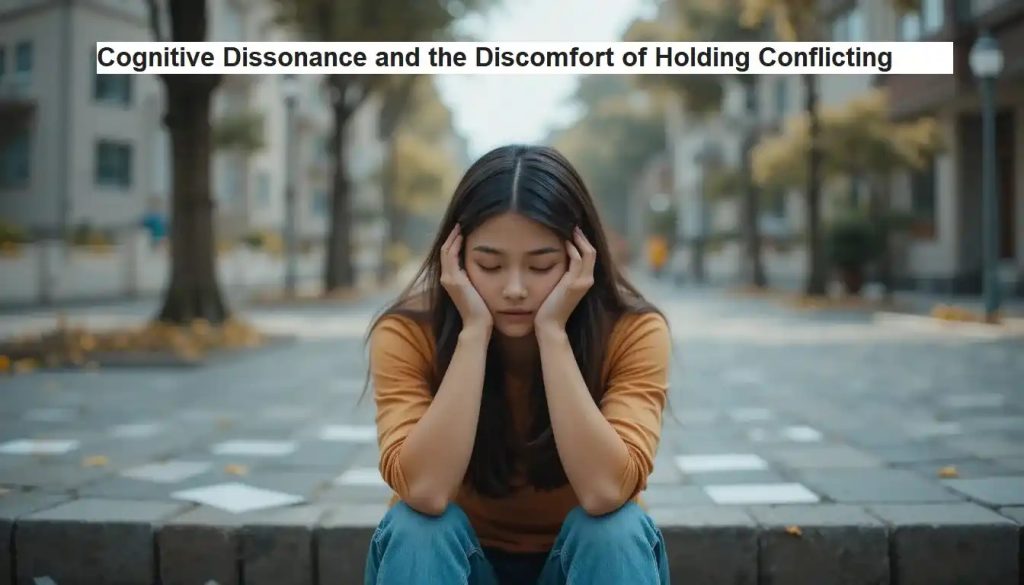
Symptoms and Signs of Anxiety in Different Age Groups
What is Anxiety? Anxiety is a common mental health condition that affects people of all ages. However, its symptoms can manifest differently depending on the age group. Recognizing these symptoms early is crucial for effective treatment and management. In this comprehensive guide, we will explore the symptoms and signs of anxiety across various age groups, from young children to older adults, and provide insights into how to deal with anxiety effectively.
Understanding Anxiety
Before we dive into the age-specific symptoms, it’s important to understand what anxiety is. According to the anxiety definition provided by medical experts, Anxiety is a common emotional experience marked by feelings of apprehension, nervousness, or unease in response to uncertain or unpredictable situations. While it’s a natural and temporary response for many, anxiety can become a debilitating condition when excessive worries persist and disrupt daily activities, potentially signaling an underlying anxiety disorder.
Types of Anxiety Disorders
- Generalized Anxiety Disorder (GAD)
- Panic Disorder
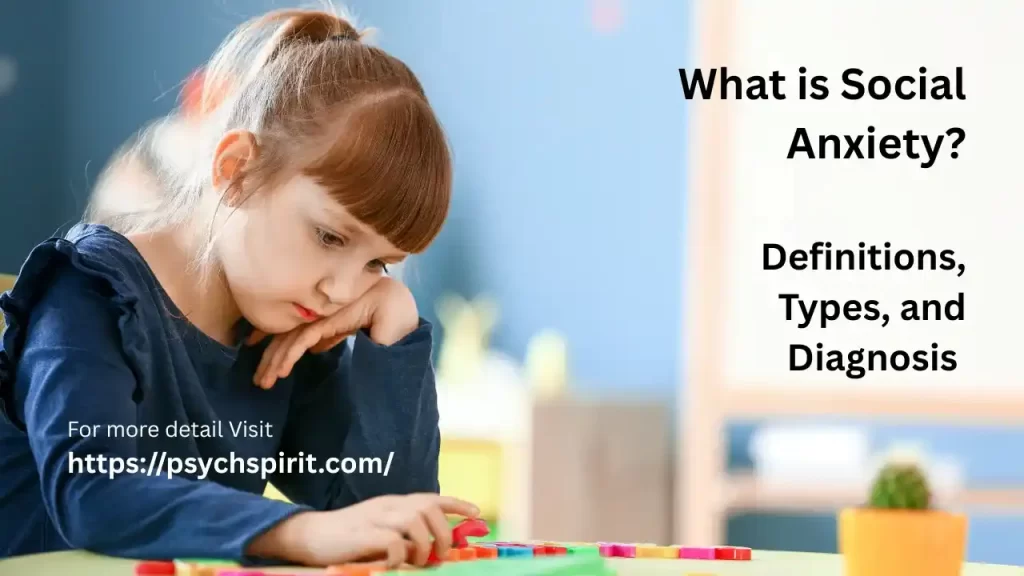
- Social Anxiety Disorder
- Specific Phobias
- Separation Anxiety Disorder
Understanding the type of anxiety is crucial for recognizing the signs and symptoms of generalized anxiety disorder and other specific types. Now, let’s explore how anxiety manifests across different age groups.

Symptoms and Signs of Anxiety in Children
Children experience anxiety differently than adults. Here are some signs and symptoms of childhood anxiety:
1. Behavioral Symptoms
- Avoidance of certain places or situations
- Clinginess to parents or caregivers
- Tantrums or irritability
2. Physical Symptoms
- Frequent stomachaches or headaches
- Restlessness and inability to sit still
- Sleep disturbances, such as nightmares
3. Cognitive Symptoms
- Excessive worrying about future events
- Difficulty concentrating on tasks
- Fear of separation from family members, indicating signs and symptoms of separation anxiety
4. Emotional Symptoms
- Unexplained crying or mood swings
- Low self-esteem and feelings of anxiety over performance
Symptoms and Signs of Anxiety in Adolescents
Adolescence is a critical period where anxiety disorders often emerge. Here are the signs and symptoms of anxiety in adolescence:
1. Behavioral Symptoms
- Withdrawal from social activities
- Decline in academic performance
- Substance abuse as a coping mechanism
2. Physical Symptoms
- Panic attacks characterized by rapid heartbeat, sweating, and trembling
- Chronic fatigue and muscle tension
- Symptoms of severe anxiety attacks such as chest pain
3. Cognitive Symptoms
- Overthinking and rumination on negative thoughts
- Difficulty making decisions
- Fear of judgment or ridicule in social settings
4. Emotional Symptoms
- Persistent sadness and symptoms of severe anxiety depression
- Irritability and frequent mood swings
- Feelings of hopelessness and despair

Symptoms and Signs of Anxiety in Adults
Adults may exhibit different anxiety symptoms based on their life circumstances. Here are the signs and symptoms of anxiety in adults:
1. Behavioral Symptoms
- Procrastination and avoidance of responsibilities
- Compulsive behaviors, such as checking and rechecking tasks
- Isolation from family and friends
2. Physical Symptoms
- Chronic pain, such as backaches and headaches
- Gastrointestinal issues like IBS
- Insomnia and other sleep disorders
3. Cognitive Symptoms
- Catastrophizing—expecting the worst possible outcome
- Difficulty concentrating and memory lapses
- Constant feelings of anxiety and restlessness
4. Emotional Symptoms
- Persistent feelings of dread or impending doom
- Mood swings and irritability
- Low self-esteem and self-doubt
More related Information



Symptoms and Signs of Anxiety in Older Adults
Anxiety in older adults is often overlooked, but it’s just as prevalent. Here are the signs and symptoms of anxiety in older adults:
1. Behavioral Symptoms
- Avoiding social interactions and activities
- Excessive worry about health and safety
- Repetitive behaviors, such as hoarding
2. Physical Symptoms
- Increased heart rate and palpitations
- Trouble sleeping and frequent waking
- Aches and pains without a clear medical cause
3. Cognitive Symptoms
- Confusion and difficulty concentrating
- Increased forgetfulness and worry about memory loss
- Obsessive thoughts about health and mortality
4. Emotional Symptoms
- Feelings of loneliness and isolation
- Depressive symptoms and lack of motivation
- Increased irritability and agitation
Common Symptoms Across All Age Groups
While anxiety manifests differently across age groups, some common symptoms are universal:
- Restlessness and irritability
- Muscle tension and headaches
- Sleep disturbances
- Excessive worry and fear
- Avoidance behaviors
Understanding these commonalities can help in recognizing severe anxiety symptoms and determining the appropriate anxiety treatment.
Conclusion
Recognizing the symptoms and signs of anxiety is the first step towards effective management and treatment. Whether you’re dealing with signs and symptoms of anxiety in women, children, adolescents, or older adults, understanding the nuances can make a significant difference. If you or someone you know is struggling with anxiety, seek professional help and explore the various treatment options available. Remember, anxiety is manageable, and recovery is possible.
For more personalized advice and support, consider joining our community or booking a consultation with one of our mental health experts. Don’t wait—take the first step towards a calmer, more balanced life today.
See More
FAQs
1. What are the most common symptoms of anxiety?
- The most common signs and symptoms of anxiety include excessive worry, restlessness, fatigue, difficulty concentrating, and sleep disturbances.
2. How can anxiety be treated?
- Anxiety treatment often involves a combination of therapy, medication, and lifestyle changes. Cognitive-behavioral therapy (CBT) is particularly effective.
3. What are the signs you are recovering from anxiety?
Signs you are recovering from anxiety include reduced frequency and intensity of anxiety episodes, improved sleep, better concentration, and a more positive outlook.
4. Which symptom indicates that someone may need mental health treatment?
- Persistent and severe symptoms such as panic attacks, suicidal thoughts, and inability to function in daily life indicate that someone may need professional mental health treatment.
5. Are there any natural remedies for anxiety?
Yes, natural remedies such as mindfulness meditation, , a healthy diet, regular exercise and suitable sleep can help manage anxiety symptoms.
Moreover, there are several natural remedies that can help alleviate anxiety. Some of these include:
- Herbal supplements like Ashwagandha, Chamomile, and Lavender
- Aromatherapy with essential oils like Bergamot, Frankincense, and Ylang-Ylang
- Mindfulness practices like Meditation and Deep Breathing
- Exercise and Yoga
- GABA-boosting foods like Fermented Foods, Green Tea, and Dark Chocolate
- 5-HTP and Omega-3 fatty acids
- Passionflower and Valerian root
- CBD oil (non-psychoactive compound found in Cannabis)
See More
Join Social Media for More Information at Anxiety
Liaison Metal Deposition
You May Like More more updates on Anxiety