Types of Anxiety Disorders in Children and Adults
Mental health is a pressing concern in today’s world, with anxiety disorders being a prevalent issue impacting individuals across the lifespan, from childhood to adulthood. To provide appropriate support and treatment, it’s essential to grasp the complexities of these disorders. This article aims to delve into the various forms of anxiety disorders, their characteristic symptoms, and how they uniquely present in different age groups, shedding light on the importance of early identification and effective care.
Common Types of Anxiety Disorders in Children and Adults

Generalized Anxiety Disorder (GAD)
1. Symptoms in Adults
- Chronic and pervasive concern or apprehension about various life aspects, including occupation, well-being, or everyday tasks.
- A state of heightened agitation or unease, like being “on edge.”
- Struggling to focus or experiencing mental blanks.
- Physical symptoms like muscle stiffness, headaches, or unexplained bodily discomfort.
- Sleep disturbances, including difficulty falling or staying asleep.
2. Symptoms in Children
- Excessive worry about school performance, family issues, or impending events.
- Physical complaints like stomachaches, headaches, or fatigue.
- Difficulty concentrating, often mistaken for ADHD.
- Restlessness, irritability.
- Sleep disturbances, including frequent nightmares.
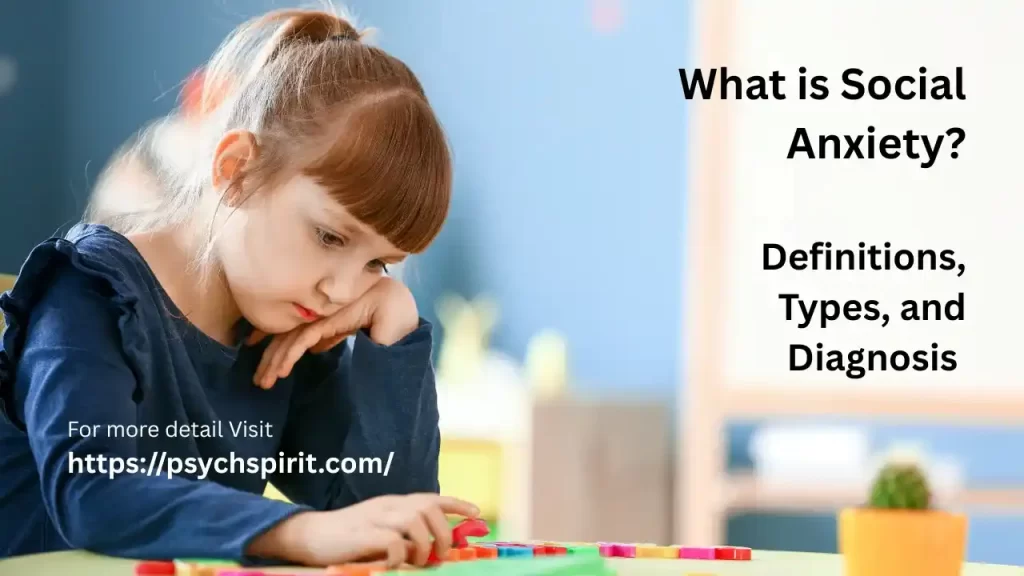
Social Anxiety Disorder (SAD)
1. Symptoms in Adults
- Intense fear of being judged or humiliated in social situations.
- Avoidance of social gatherings, events, or public speaking.
- Sweating, trembling, or rapid heartbeat in social settings.
- Difficulty making eye contact or speaking with authority figures.
2. Symptoms in Children
- Fear of interacting with peers or participating in group activities.
- Reluctance to go to school or attend social events.
- Physical symptoms like blushing, sweating, or shaking when around unfamiliar people.
- Crying, tantrums, or clinging to parents in social situations.
Panic Disorder

1. Symptoms in Adults
- Sudden, unforeseen episodes of intense terror or fear, known as panic attacks, which recur persistently.
- These attacks are accompanied by physical manifestations such as:
- Chest discomfort or pain
- Rapid or irregular heartbeat (palpitations)
- Lightheadedness or dizziness
- Difficulty breathing or shortness of breath
- Fear of having another panic attack, leading to avoidance behaviors.
- Feelings of detachment from reality or oneself during panic attacks.
2. Symptoms in Children
- Sudden and intense fear without a clear cause.
- Physical symptoms like chest pain, sweating, rapid heartbeat, or dizziness.
- Fear of future panic attacks, leading to changes in behavior or routine.
- Difficulty explaining their feelings or symptoms.




Obsessive-Compulsive Disorder (OCD)
1. Symptoms in Adults
- Recurring, intrusive thoughts (obsessions) that refuse to subside, accompanied by repetitive actions (compulsions) aimed at alleviating anxiety.
- Typical obsessions encompass fears of:
- Contamination or germs
- Causing harm to oneself or others
- Asymmetry or disorder
- Compulsions may manifest as:
- Excessive cleaning or sanitizing
- Repeated checking or verification
- Counting or recounting
- Organizing or rearranging
- Significant distress and interference with daily life.
2. Symptoms in Children
- Repetitive behaviors like hand washing, checking, or counting.
- Intrusive thoughts related to harm, contamination, or fear of bad things happening.
- Difficulty completing tasks or focusing on schoolwork due to compulsions.
- Interruption in daily routines and activities.

Separation Anxiety Disorder
1. Symptoms in Adults
- Excessive fear or anxiety about being separated from a loved one.
- Persistent worry about harm befalling a loved one during separation.
- Avoidance of leaving home or being alone.
- Physical symptoms like headaches, nausea, or dizziness when separation is anticipated.
2. Symptoms in Children
- Intense fear of being away from parents or caregivers.
- Refusal to go to school or sleep alone.
- Nightmares about separation.
- Physical complaints like stomachaches, headaches, or vomiting when separation is anticipated.

Specific Phobias
1. Symptoms in Adults
- Extreme fear of specific objects or situations, like heights, animals, or flying.
- Deliberate avoidance strategies to evade encounters with the feared object, situation, or activity, driven by anxiety and fear.
- Physical manifestations of anxiety may include:
- Excessive sweating or perspiration
- Trembling or shaking
- Rapid or accelerated heartbeat
- Recognition that the fear is irrational but feeling powerless to control it.
2. Symptoms in Children
- Intense fear or anxiety triggered by specific objects or situations.
- Avoidance of places or activities to prevent exposure to the phobia.
- Crying, tantrums, or clinging behavior when faced with the feared object or situation.
- Difficulty explaining the specific fear.
Conclusion
Anxiety disorders can have a profound impact on daily life, affecting individuals of all ages. Prompt recognition of symptoms and access to appropriate care are essential for effective management and improved quality of life. If you or someone you care about is struggling with anxiety, don’t hesitate to seek help from a qualified healthcare provider. With the right support and guidance, individuals can learn to manage their anxiety and regain control over their lives.
Understanding and addressing anxiety can lead to a healthier, more fulfilling life. For more resources and personalized advice, consider booking a consultation with a mental health specialist today.
See More
Join Social Media for More information

FAQs about Types of Anxiety Orders
1. What are the main causes of anxiety disorders?
The development of anxiety disorders is often the result of a complex interplay between genetic, environmental, and psychological influences. Various factors can contribute to their emergence, including traumatic life experiences, familial predisposition, and neurochemical imbalances in the brain. This multifaceted nature of anxiety disorders highlights the importance of comprehensive treatment approaches that address individual circumstances and needs.
2. How are anxiety disorders diagnosed?
A healthcare professional, such as a psychologist or psychiatrist, typically diagnoses anxiety disorders through clinical interviews, symptom checklists, and sometimes standardized questionnaires.
3. Can anxiety disorders be treated?
Fortunately, anxiety disorders are highly treatable, and various effective options are available. These include evidence-based therapies like cognitive-behavioral therapy (CBT), medication, and lifestyle modifications. Additionally, stress management techniques and coping strategies can be invaluable in managing anxiety.
Collaborating with a mental health expert allows individuals to craft a tailored strategy that acknowledges their distinct struggles and goals, paving the way for a profound and enduring transformation. By sharing their experiences and concerns, individuals can work together with their mental health professional to develop a personalized blueprint for healing, growth, and long-term wellness.
4. How can I help a child with anxiety?
Supporting a child with anxiety involves understanding their fears, offering reassurance, maintaining a stable routine, and seeking professional help if needed.
5. Are there any lifestyle changes that can help manage anxiety?
Making conscious lifestyle choices can significantly impact anxiety management. Engaging in regular physical activity, following a balanced diet, prioritizing sufficient sleep, and incorporating mindfulness practices can help alleviate anxiety symptoms. Additionally, limiting or avoiding stimulants like caffeine and alcohol can also contribute to a reduction in anxiety. By keeping healthy habits to transform your mental wellbeing. Small changes add up to make a big difference in managing anxiety and improving your life.
Liaison SiP Integration
You May Like More other than Types of Anxiety