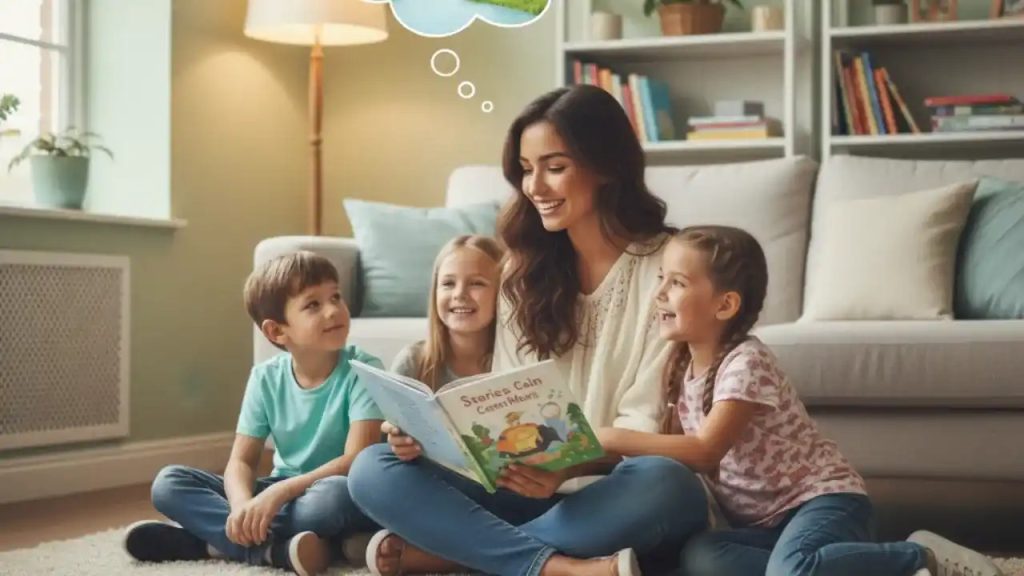
Best Coping Mechanism to Understand Anxiety in Children
Anxiety can appear unexpectedly, causing difficulties for children and the adults who care for them. Whether you’re a parent, educator, or child therapist, it’s crucial to have strategies to help young ones manage their anxiety effectively. This blog post will guide you through various coping mechanisms for children with anxiety, providing you with practical tools and insights to support the mental health and emotional well-being of the children in your life.
Understanding Anxiety in Children
Anxiety in children is more common than people might think, often manifesting as worries or fears that can disrupt their daily lives. Children may experience anxiety due to a variety of factors, such as changes at home, academic pressure, or social dynamics. By understanding the root causes of anxiety, parents, educators, and therapists can better address the specific needs of each child.
It’s important to recognize that anxiety is a normal emotion, and everyone experiences it to some degree. For children, it might be particularly challenging to understand and articulate their feelings. This is where compassionate adults can step in to help. Knowing the signs of anxiety in children, such as irritability, difficulty sleeping, or physical complaints like headaches, is key to providing timely support.
By acknowledging and validating a child’s feelings, you can create a safe space for them to express themselves freely. This foundation of trust and understanding is essential for implementing effective coping mechanisms that empower children to manage their anxiety.
The Importance of Coping Mechanisms
Coping mechanisms are tools and strategies that help individuals manage stress and anxiety. For children, these mechanisms are vital because they provide a sense of control and security in situations that might otherwise feel overwhelming. Teaching children how to cope with anxiety involves equipping them with skills they can use throughout their lives.
Effective coping mechanisms for children with anxiety often include mindfulness techniques, deep breathing exercises, and creative expression. These strategies help children process their emotions in a healthy way, reducing the likelihood of anxiety becoming a long-term issue. Additionally, coping mechanisms can improve a child’s ability to concentrate, interact socially, and perform academically.
Implementing coping mechanisms early on can also foster resilience in children, helping them bounce back from difficult situations. By building emotional resilience, children learn to face their fears and challenges with confidence and adaptability, ultimately enhancing their overall mental health.
Mindfulness Techniques for Children
Mindfulness is the practice of Coping mechanisms being present in the moment, which can be extremely beneficial for children dealing with anxiety. Simple mindfulness techniques help children focus on their breathing, sensations, or surroundings, promoting a sense of calm and relaxation.
One effective mindfulness technique for children is the “Five Senses” exercise. Guide them to focus on what they can see, hear, feel, smell, and taste at that moment. This exercise helps ground them in the present, shifting their attention away from anxious thoughts.
Another popular mindfulness practice is mindful breathing. Encourage children to take slow, deep breaths, inhaling through the nose and exhaling through the mouth. This can help regulate their nervous system, reducing feelings of anxiety and stress. Regular mindfulness practice can lead to long-term benefits, such as improved emotional regulation and increased self-awareness.
Deep Breathing Exercises for Kids
Deep breathing exercises are a simple yet powerful way to help children manage anxiety. These exercises can be done anywhere, providing instant relief in moments of stress or panic. By teaching children how to control their breathing, you empower them with a tool they can use independently.
One popular deep breathing exercise for kids is “Balloon Breathing.” Have them imagine they are inflating a balloon in their belly as they inhale deeply, then slowly deflate it as they exhale. This visualization helps them understand how to take full, calming breaths.
Another technique is “4-7-8 Breathing,” where children inhale for a count of four, hold their breath for a count of seven, and exhale for a count of eight. This exercise promotes relaxation and can be particularly helpful before bedtime or during moments of heightened anxiety.
Creative Expression for Anxiety Relief
Creative expression is a valuable coping mechanism for children with anxiety. Through art, music, or writing, children can explore and express their feelings in a non-verbal way, making it easier to process complex emotions.
Art therapy, for example, allows children to create visual representations of their experiences. This can help them gain insight into their emotions and develop new ways of Coping mechanisms . Music therapy is another effective form of creative expression, using rhythm and melody to promote relaxation and emotional release.
Encouraging children to keep a journal provides them with a private space to express their thoughts and feelings. Writing can serve as an outlet for anxiety, allowing children to articulate their emotions and develop problem-solving skills. Creative expression not only alleviates anxiety but also fosters self-discovery and resilience.
Play Therapy Benefits
Play therapy is an evidence-based approach to help children manage anxiety through play. This therapeutic method uses play as a medium for children to express their feelings, explore their experiences, and develop Coping mechanisms skills in a safe and supportive environment.
During play therapy sessions, therapists may use toys, games, or storytelling to engage children in activities that reflect their inner world. This process allows children to process their emotions and build self-esteem. Play therapy can be particularly beneficial for younger children who may not have the verbal skills to articulate their anxiety.
By observing and interacting with children during play, therapists gain valuable insights into their thoughts and emotions. This information can guide the development of personalized Coping mechanisms strategies, supporting children’s mental health and emotional growth.
See Related Content About Anxiety





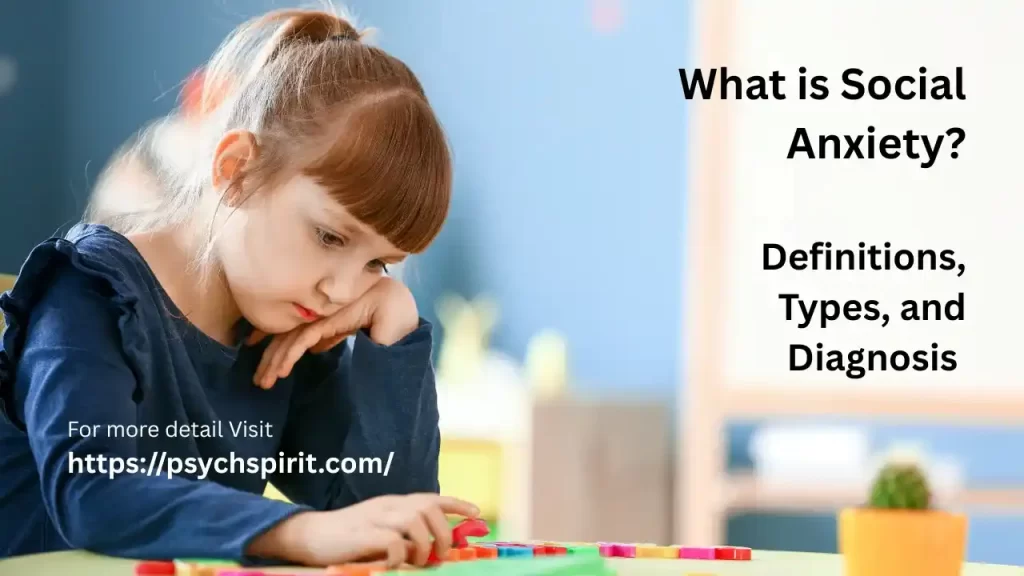
Social Skills Training for Anxious Children
Social skills training is a valuable tool for children with social anxiety. This type of training focuses on building confidence in social interactions, improving communication, and developing positive relationships. By addressing social anxiety, children can participate more fully in school and extracurricular activities.
Role-playing is a common technique used in social skills training. Children practice social scenarios in a controlled environment, allowing them to test new behaviors and strategies. This practice helps reduce anxiety by increasing familiarity and comfort with social interactions.
Another component of social skills training is teaching children how to interpret social cues, such as body language and tone of voice. Understanding these cues can improve their ability to interact effectively with peers, reducing feelings of isolation and anxiety.
Cognitive-Behavioral Strategies for Youth
Cognitive-behavioral strategies are effective coping mechanisms for children with anxiety. This approach focuses on changing negative thought patterns and behaviors, replacing them with healthier alternatives. By teaching children cognitive-behavioral strategies, you empower them to take control of their anxiety.
One key aspect of cognitive-behavioral therapy (CBT) is identifying and challenging negative thoughts. Children learn to recognize when their thinking becomes distorted and develop strategies to reframe these thoughts. This process helps them build a more realistic and positive mindset.
CBT also emphasizes the importance of gradual exposure to anxiety-provoking situations. By facing their fears in a controlled and supportive environment, children can build confidence and reduce anxiety. Over time, they learn to approach challenging situations with resilience and adaptability.
Parenting Tips for Anxious Kids
Parents play a crucial role in helping their children manage anxiety. By providing a supportive and understanding environment, parents can teach their children effective coping mechanisms and promote emotional well-being.
One essential parenting tip is to model healthy Coping mechanisms strategies. Children often learn by observing their parents, so demonstrating how to handle stress and anxiety calmly can set a positive example. Encourage open communication, allowing children to express their feelings without judgment.
Establishing a consistent routine can also provide a sense of stability and security for anxious children. Predictable schedules reduce uncertainty and help children feel more in control of their environment. Additionally, fostering a strong support network of family and friends can offer valuable resources and encouragement.
Coping mechanisms Strategies for Children with Social Anxiety
Children with social anxiety often struggle with fear of judgment or rejection in social situations. Developing Coping mechanisms strategies specifically tailored to social anxiety can help these children build confidence and engage more fully in their lives.
One effective strategy is gradual exposure to social situations. Start with small, manageable interactions and gradually increase the level of challenge as the child becomes more comfortable. This approach helps children build resilience and overcome their fears.
Encouraging children to practice relaxation techniques before social events can also help reduce anxiety. Techniques such as deep breathing or visualization can calm their nervous system, making social interactions more manageable. Building a supportive network of peers who understand and accept them can further boost their confidence and social skills.
Online Resources for Coping with Anxiety in Children
Numerous online resources are available to support children and families dealing with anxiety. These resources offer valuable information, tools, and community connections to help children develop coping mechanisms and improve their mental health.
Websites like “Anxiety Canada” and “Child Mind Institute” provide articles, videos, and worksheets specifically designed for children and parents. These resources cover a wide range of topics, from mindfulness techniques to parenting tips, offering guidance and support at every step.
Online forums and support groups can also be invaluable for parents seeking advice and connection with others facing similar challenges. Engaging in these communities can provide encouragement, understanding, and new perspectives on managing anxiety.
Developing Resilience to Anxiety
Resilience is the ability to bounce back from adversity and cope effectively with stress and challenges. By teaching children how to develop resilience, you equip them with the tools they need to manage anxiety and thrive in the face of life’s difficulties.
One way to build resilience is by encouraging a growth mindset. Help children understand that mistakes and setbacks are opportunities for learning and growth. By fostering a positive attitude towards challenges, children become more adaptable and resilient.
Promoting healthy lifestyle habits, such as regular exercise, a balanced diet, and sufficient sleep, can also support resilience. These factors contribute to overall well-being and provide a solid foundation for managing anxiety.
Conclusion
Coping mechanisms for children with anxiety are essential tools that empower them to manage their emotions and thrive in their daily lives. By understanding anxiety, teaching mindfulness techniques, and providing a supportive environment, parents, educators, and therapists can make a positive impact on children’s mental health.
Encourage children to practice deep breathing exercises, engage in creative expression, and participate in play therapy to find relief from anxiety. Explore cognitive-behavioral strategies and social skills training to help children build confidence and resilience. Lastly, take advantage of online resources and support networks to stay informed and connected.
Remember, supporting children with anxiety is a continuous process that requires patience, empathy, and collaboration. By working together, we can help children develop the skills they need to face challenges with courage and resilience, paving the way for a brighter future.
FAQs
Liaison Planarization
You May Like More Information About Us