1. Introduction to ETOH
What is ETOH?
ETOH, a term frequently encountered in medical and psychological contexts, stands for ethyl alcohol or ethanol. It is the scientific name for the alcohol found in beverages like beer, wine, and spirits. In medical terminology, ETOH is used as an abbreviation to refer to alcohol consumption or its presence in the body. The meaning of ETOH extends beyond its chemical definition, as it plays a significant role in healthcare, particularly in diagnosing and treating alcohol-related conditions. For instance, when doctors note ETOH in medical records, they are often referring to a patient’s alcohol use or its effects on their health.
The ETOH acronym medical explanation highlights its importance in clinical settings. It is a standardized way for healthcare professionals to document alcohol-related information efficiently. For example, ETOH in medical terms might appear in lab reports, patient histories, or treatment plans, indicating the presence or impact of alcohol. Understanding what ETOH means is crucial for both medical practitioners and patients, as it helps in identifying and addressing alcohol-related health issues.
What Does ETOH Stand For?
ETOH is derived from the chemical formula of ethanol (C₂H₅OH), where “ET” represents the ethyl group, and “OH” signifies the hydroxyl group. As a medical abbreviation, ETOH is widely used in clinical documentation to denote alcohol consumption or its effects. For example, a patient’s chart might note “ETOH abuse” to indicate excessive alcohol use. The significance of ETOH in medical terms lies in its ability to provide a clear and concise reference to alcohol-related conditions, making it easier for healthcare providers to communicate and diagnose effectively.
In psychology, ETOH is equally important. It is often used to describe the psychological and behavioral effects of alcohol. For instance, ETOH alcohol meaning in psychology refers to how alcohol impacts mental health, cognitive functions, and behavior. Understanding what ETOH stands for is essential for professionals in both medical and psychological fields, as it bridges the gap between physical health and mental well-being.
ETOH in Psychology
The role of ETOH in psychology is multifaceted. Alcohol consumption, or ETOH, has a ferocious impact on mental health and behavior. Studies show that excessive alcohol use can lead to conditions like anxiety, depression, and even alcohol use disorder (AUD). The psychological impact of ETOH is significant, as it alters brain chemistry, affecting mood, decision-making, and impulse control.
For example, ETOH alcohol meaning in psychology often refers to its depressant effects on the central nervous system. This can result in slowed reflexes, impaired judgment, and emotional instability. Additionally, ETOH is frequently discussed in the context of addiction and its psychological consequences. Understanding what ETOH means in psychology helps professionals develop effective treatment plans for individuals struggling with alcohol-related issues.
Overall, ETOH is more than just a medical abbreviation; it is a critical term in both healthcare and psychology. Whether discussing its medical meaning, its role in mental health, or its broader implications, ETOH remains a key concept for understanding alcohol’s impact on the human body and mind. By exploring what ETOH stands for and its significance, we gain valuable insights into how alcohol affects our lives and health.
2. Understanding ETOH Abuse
Define ETOH Abuse
ETOH abuse refers to the excessive and harmful consumption of alcohol, leading to physical, psychological, and social consequences. The meaning of ETOH abuse goes beyond occasional drinking; it involves a pattern of alcohol use that interferes with daily life and health. In medical terms, ETOH abuse is often documented using the medical abbreviation “ETOH” to indicate alcohol-related issues in patient records. For example, a diagnosis of ETOH abuse might be noted when a patient exhibits signs of dependency or alcohol-induced health problems.
The implications of ETOH abuse are far-reaching. Medically, it can lead to conditions such as liver disease, cardiovascular problems, and neurological damage. Psychologically, it is associated with mental health disorders like anxiety and depression. Socially, ETOH abuse can strain relationships, lead to job loss, and result in legal issues. Understanding what ETOH abuse means is crucial for identifying and addressing this serious health concern.
Symptoms of ETOH Abuse
The symptoms of ETOH abuse can be categorized into physical, psychological, and social aspects:
- Physical Symptoms:
These include tremors, nausea, vomiting, blackouts, and impaired coordination. Long-term ETOH abuse can also cause chronic conditions such as liver cirrhosis, pancreatitis, and weakened immune function. For instance, a patient with ETOH abuse might experience frequent blackouts or severe withdrawal symptoms when not drinking. - Psychological Symptoms:
ETOH abuse often leads to mental health issues such as anxiety, depression, mood swings, and cognitive impairment. Alcohol’s impact on brain chemistry can exacerbate existing mental health conditions or create new ones. For example, someone struggling with ETOH abuse might exhibit erratic behavior or difficulty concentrating. - Social Symptoms:
The social consequences of ETOH abuse include isolation, strained relationships, and difficulties at work or school. Individuals may withdraw from social activities or face conflicts with family and friends due to their drinking habits. These symptoms highlight the broader impact of ETOH abuse on a person’s life.
What is an ETOH Patient?
An ETOH patient is someone who has been diagnosed with alcohol-related issues, such as abuse or dependence. The meaning of ETOH patient in clinical settings refers to individuals whose health and well-being are significantly affected by alcohol consumption. Characteristics of an ETOH patient may include frequent hospital visits for alcohol-related injuries, withdrawal symptoms, or chronic health conditions caused by excessive drinking.
In medical documentation, the term ETOH patient is used to identify individuals who require specialized care for alcohol-related problems. For example, a doctor might note “ETOH patient with liver damage” to indicate the need for targeted treatment. Understanding what an ETOH patient is helps healthcare providers offer appropriate interventions and support.
Long-Term Effects of ETOH Abuse
The long-term effects of ETOH abuse are severe and multifaceted:
- Liver Damage:
Chronic alcohol consumption can lead to liver diseases such as fatty liver, hepatitis, and cirrhosis. The liver’s ability to function deteriorates, causing life-threatening complications. - Addiction:
ETOH abuse often leads to alcohol dependence, where the body becomes reliant on alcohol to function. This addiction can be challenging to overcome without professional help. - Social Implications:
Long-term ETOH abuse can result in broken relationships, job loss, and financial instability. It also increases the risk of legal issues, such as DUIs or public intoxication charges. - Psychological Impact:
Prolonged alcohol use can cause lasting mental health issues, including memory loss, cognitive decline, and severe mood disorders.
Moreover, ETOH abuse is a serious condition with wide-ranging effects on physical health, mental well-being, and social stability. By understanding what ETOH abuse means, recognizing its symptoms, and addressing the needs of ETOH patients, we can better support those affected and reduce the harmful impact of alcohol on individuals and society.
3. Diagnosis of ETOH-Related Issues
Medical Diagnosis of ETOH
Diagnosing ETOH-related issues is a critical step in addressing alcohol abuse and its associated health problems. The ETOH medical abbreviation diagnosis process involves a combination of clinical assessments, laboratory tests, and patient history reviews. Healthcare professionals use the term ETOH in medical records to document alcohol-related conditions, making it easier to track and treat these issues.
- Tools and Tests for Diagnosing ETOH Abuse:
Common diagnostic tools include blood tests to measure blood alcohol concentration (BAC), liver function tests to assess damage caused by alcohol, and questionnaires like the Alcohol Use Disorders Identification Test (AUDIT). For example, a patient with elevated liver enzymes and a history of heavy drinking might be diagnosed with ETOH abuse based on these findings. Imaging tests, such as ultrasounds or MRIs, may also be used to evaluate organ damage caused by long-term alcohol use.
What Does ETOH Mean Medically?
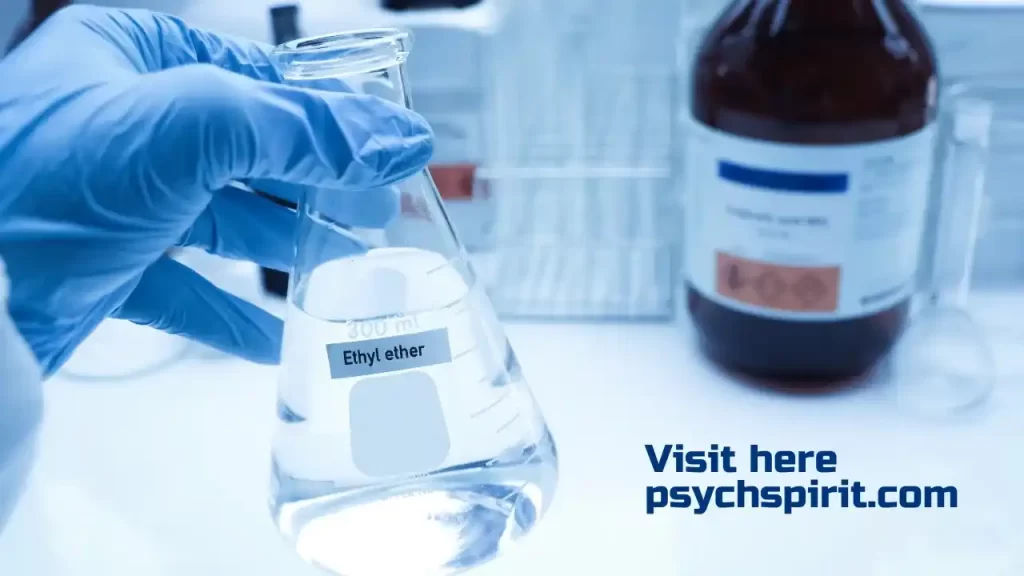
In medical terms, ETOH is a shorthand for ethyl alcohol or ethanol, the active ingredient in alcoholic beverages. Its diagnostic relevance lies in its ability to provide a clear and concise reference to alcohol-related conditions. For instance, when a doctor notes ETOH in a patient’s chart, it often indicates the presence of alcohol in the body or its impact on health.
- Use of ETOH in Clinical Documentation:
The ETOH medical term is widely used in clinical settings to document alcohol use, abuse, or dependence. For example, a diagnosis might read, “Patient presents with ETOH abuse and related liver damage.” This terminology ensures consistency and clarity in medical records, helping healthcare providers communicate effectively about a patient’s condition.
ETOH and IVDA
IVDA ETOH refers to the co-occurrence of intravenous drug use (IVDA) and alcohol abuse. This term is often used in medical settings to describe patients who engage in both behaviors, which can compound health risks.
- What is IVDA ETOH?
IVDA ETOH is a medical abbreviation that highlights the connection between intravenous drug use and alcohol consumption. For example, a patient who injects drugs and also abuses alcohol might be documented as having IVDA ETOH. This dual behavior increases the risk of infections, organ damage, and overdose. - Connection Between Intravenous Drug Use and ETOH Abuse:
The combination of IVDA and ETOH abuse can lead to severe health complications. Intravenous drug use increases the risk of infections like HIV and hepatitis, while alcohol abuse exacerbates liver damage and weakens the immune system. Together, these behaviors create a cycle of harm that is difficult to break without comprehensive treatment.
Consequently, the diagnosis of ETOH-related issues involves a thorough evaluation of a patient’s physical and psychological health. Understanding what ETOH means medically and its role in clinical documentation is essential for accurate diagnosis and treatment. Additionally, recognizing the connection between IVDA and ETOH abuse helps healthcare providers address the complex needs of patients struggling with substance use disorders.
4. Effects of ETOH on Health
Physical Effects of ETOH
The consumption of ETOH (ethyl alcohol) has both short-term and long-term effects on physical health. These effects vary depending on the amount and frequency of alcohol consumption, as well as individual factors like genetics and overall health.
- Short-Term Effects:
In the short term, ETOH causes intoxication, which impairs coordination, judgment, and reflexes. Common symptoms include slurred speech, blurred vision, and slowed reaction times. For example, someone who has consumed ETOH might struggle to walk in a straight line or make clear decisions. Excessive drinking can also lead to alcohol poisoning, a life-threatening condition characterized by vomiting, seizures, and unconsciousness. - Long-Term Effects:
Prolonged use of ETOH can result in severe health complications. Chronic alcohol consumption is a leading cause of liver damage, including conditions like fatty liver, hepatitis, and cirrhosis. Additionally, ETOH abuse is linked to cardiovascular issues such as high blood pressure, heart disease, and stroke. Over time, these physical effects can significantly reduce a person’s quality of life and lifespan.
Psychological Effects of ETOH
The impact of ETOH on mental health is profound, affecting both cognitive function and emotional well-being. Alcohol alters brain chemistry, leading to a range of psychological issues.
- Impact on Mental Health:
ETOH abuse often leads to addiction, a chronic condition characterized by an inability to control alcohol consumption despite negative consequences. This addiction can exacerbate mental health disorders such as anxiety and depression. For example, someone struggling with ETOH addiction might experience frequent mood swings or feelings of hopelessness. - Cognitive Decline:
Long-term ETOH use can impair cognitive functions, including memory, attention, and problem-solving skills. Conditions like alcohol-related dementia and Wernicke-Korsakoff syndrome are directly linked to chronic alcohol abuse. These disorders highlight the devastating impact of ETOH on brain health. - Role in Psychiatric Disorders:
ETOH is often associated with psychiatric disorders such as bipolar disorder and schizophrenia. Alcohol can worsen the symptoms of these conditions, making treatment more challenging. For instance, a patient with bipolar disorder might experience more severe mood episodes when consuming ETOH.
Social Effects of ETOH
The social consequences of ETOH abuse are equally significant, affecting relationships, work, and daily functioning. The term social ETOH medical abbreviation is sometimes used to describe the broader impact of alcohol on a person’s social life.
- Effects on Relationships:
ETOH abuse can strain relationships with family, friends, and colleagues. Individuals may become isolated or engage in conflicts due to their drinking habits. For example, a person struggling with ETOH abuse might neglect their responsibilities or behave unpredictably, causing tension in their personal and professional relationships. - Impact on Work and Daily Functioning:
Alcohol abuse often leads to decreased productivity, absenteeism, and job loss. It can also impair a person’s ability to perform daily tasks, such as driving or caring for children. The social implications of ETOH abuse extend beyond the individual, affecting their entire support network. - Social ETOH Medical Abbreviation Implications:
In medical documentation, the term social ETOH might be used to describe the broader social consequences of alcohol abuse. For instance, a doctor might note “social ETOH” to indicate that a patient’s drinking is affecting their relationships or work performance. This terminology helps healthcare providers address the full scope of ETOH-related issues.
Furthermore, the effects of ETOH on health are multifaceted, encompassing physical, psychological, and social dimensions. From liver damage and addiction to strained relationships and cognitive decline, the impact of ETOH abuse is far-reaching. By understanding these effects, we can better address the challenges posed by alcohol consumption and support those affected in achieving healthier, more fulfilling lives.
5. Treatment and Management of ETOH Abuse
Medical Interventions
Treating ETOH abuse requires a comprehensive approach that addresses both the physical and psychological aspects of alcohol dependence. Medical interventions play a crucial role in helping individuals overcome ETOH abuse and regain control of their lives.
- Detoxification and Rehabilitation Programs:
The first step in treating ETOH abuse is often detoxification, a process that helps the body eliminate alcohol while managing withdrawal symptoms. This is typically done under medical supervision to ensure safety. Following detox, rehabilitation programs provide structured support to help individuals stay alcohol-free. These programs may include inpatient or outpatient care, depending on the severity of the ETOH abuse. For example, a patient with severe alcohol dependence might benefit from a 30-day inpatient rehab program. - Medications for ETOH Dependence:
Several medications are used to treat ETOH dependence, including:- Naltrexone: Reduces alcohol cravings and blocks the pleasurable effects of drinking.
- Acamprosate: Helps restore brain chemistry and reduces the urge to drink.
- Disulfiram: Causes unpleasant reactions when alcohol is consumed, discouraging drinking.
These medications are often combined with therapy to enhance their effectiveness.
Psychological Interventions
Psychological support is essential for addressing the underlying causes of ETOH abuse and helping individuals develop healthier coping mechanisms.
- Therapy and Counseling for ETOH Patients:
Therapy sessions, such as cognitive-behavioral therapy (CBT), help individuals identify and change negative thought patterns and behaviors related to alcohol use. Counseling provides a safe space for patients to discuss their struggles and work toward recovery. For instance, a therapist might help an ETOH patient explore the triggers that lead to drinking and develop strategies to avoid them. - Behavioral Therapies:
Behavioral therapies, such as motivational interviewing and contingency management, are effective in treating ETOH abuse. These approaches focus on building motivation for change and rewarding positive behaviors, such as staying alcohol-free. For example, a patient might receive incentives for attending therapy sessions or passing alcohol screenings.
Prevention Strategies
Preventing ETOH abuse involves education, awareness, and early intervention to reduce the risk of alcohol-related problems.
- Education and Awareness About ETOH Abuse:
Public health campaigns and school-based programs can educate individuals about the risks of ETOH abuse and promote responsible drinking habits. For example, a community workshop might teach participants about the long-term effects of alcohol on the liver and brain. - Early Intervention and Support Systems:
Identifying ETOH abuse early and providing support can prevent the condition from worsening. Support systems, such as family, friends, and support groups like Alcoholics Anonymous (AA), play a vital role in recovery. For instance, a person at risk of ETOH abuse might benefit from joining a peer support group to share experiences and receive encouragement.
In summary, the treatment and management of ETOH abuse involve a combination of medical, psychological, and preventive strategies. From detoxification and medications to therapy and education, these interventions address the multifaceted nature of alcohol dependence. By implementing these approaches, we can help individuals overcome ETOH abuse and build healthier, alcohol-free lives.
6. ETOH and Its Link to Other Disorders
ETOH and Co-occurring Conditions
ETOH abuse often coexists with other mental health conditions, creating a complex web of challenges for individuals and healthcare providers. This phenomenon, known as dual diagnosis or comorbidity, requires integrated treatment approaches to address both ETOH abuse and the accompanying disorders.
- Mental Health Conditions That Often Accompany Alcohol Abuse:
Common co-occurring conditions include anxiety disorders, depression, bipolar disorder, and post-traumatic stress disorder (PTSD). For example, someone with ETOH abuse might use alcohol to self-medicate for anxiety, inadvertently worsening their symptoms over time. Similarly, individuals with depression may turn to alcohol as a coping mechanism, leading to a vicious cycle of dependency and worsening mental health. Addressing these conditions simultaneously is crucial for effective recovery.
ETOH and the Liver
The liver is one of the organs most affected by ETOH abuse. Alcohol metabolism primarily occurs in the liver, making it highly susceptible to damage from excessive drinking.
- Effects of Alcohol on Liver Function:
Short-term effects of ETOH on the liver include inflammation and fatty liver disease, which can progress to more severe conditions with continued abuse. For instance, a person who drinks heavily over several years might develop alcoholic hepatitis, a condition characterized by liver inflammation and cell damage. - Long-Term Damage:
Chronic ETOH abuse can lead to irreversible liver damage, such as cirrhosis, where healthy liver tissue is replaced by scar tissue. This impairs the liver’s ability to function, leading to complications like jaundice, fluid retention, and liver failure. In severe cases, a liver transplant may be the only treatment option. Understanding the link between ETOH and liver damage underscores the importance of early intervention and moderation.
ETOH and Withdrawal Symptoms
Withdrawal is a significant concern for individuals who stop consuming ETOH after prolonged abuse. The body, having become dependent on alcohol, reacts strongly when its supply is cut off.
- What Does ETOH Mean in Terms of Withdrawal?
ETOH withdrawal refers to the physical and psychological symptoms that occur when a person reduces or stops alcohol consumption after a period of heavy use. These symptoms can range from mild to life-threatening, depending on the severity of the ETOH abuse. - Clinical Symptoms of ETOH Withdrawal:
Common symptoms include tremors, sweating, nausea, anxiety, and insomnia. In severe cases, individuals may experience delirium tremens (DTs), a condition characterized by confusion, hallucinations, seizures, and high blood pressure. For example, a patient with a history of ETOH abuse might require hospitalization to manage severe withdrawal symptoms safely.
In summary, ETOH abuse is closely linked to a range of other disorders, including mental health conditions, liver damage, and withdrawal symptoms. Understanding these connections is essential for developing comprehensive treatment plans that address the full scope of an individual’s health needs. By recognizing the interplay between ETOH and these conditions, healthcare providers can offer more effective and holistic care.
References
- National Institute on Alcohol Abuse and Alcoholism (NIAAA). (2021). Understanding alcohol use disorder. Retrieved from https://www.niaaa.nih.gov
- This resource provides comprehensive information on alcohol use disorder (AUD), including its diagnosis, treatment, and effects on health.
- World Health Organization (WHO). (2018). Global status report on alcohol and health. Geneva: World Health Organization.
- This report offers global insights into the impact of alcohol abuse, including its effects on physical and mental health.
- Rehm, J., & Shield, K. D. (2019). Global burden of alcohol use disorders and alcohol liver disease. Biomedicines, 7(4), 99. https://doi.org/10.3390/biomedicines7040099
- This study explores the global burden of alcohol-related liver disease and its connection to alcohol use disorders.
- Grant, B. F., Chou, S. P., Saha, T. D., Pickering, R. P., Kerridge, B. T., Ruan, W. J., … & Hasin, D. S. (2017). Prevalence of 12-month alcohol use, high-risk drinking, and DSM-IV alcohol use disorder in the United States, 2001-2002 to 2012-2013. JAMA Psychiatry, 74(9), 911-923. https://doi.org/10.1001/jamapsychiatry.2017.2161
- This article provides data on the prevalence of alcohol use disorders and high-risk drinking in the United States.
- Schuckit, M. A. (2016). Treatment of opioid-use disorders. New England Journal of Medicine, 375(4), 357-368. https://doi.org/10.1056/NEJMra1604339
- Although focused on opioids, this article includes valuable insights into co-occurring alcohol use disorders and their treatment.
- Mann, K., Aubin, H. J., & Witkiewitz, K. (2017). Reduced drinking in alcohol dependence treatment: What is the evidence? European Addiction Research, 23(5), 219-230. https://doi.org/10.1159/000481348
- This paper discusses evidence-based approaches to reducing alcohol consumption in individuals with alcohol dependence.
- American Psychiatric Association (APA). (2017). Diagnostic and statistical manual of mental disorders (DSM-5). Arlington, VA: American Psychiatric Publishing.
- The DSM-5 provides diagnostic criteria for alcohol use disorder and related mental health conditions.
- Leggio, L., & Lee, M. R. (2017). Treatment of alcohol use disorder in patients with alcoholic liver disease. American Journal of Medicine, 130(2), 124-134. https://doi.org/10.1016/j.amjmed.2016.10.004
- This article focuses on the treatment of alcohol use disorder in patients with liver damage caused by alcohol abuse.
- Kelly, J. F., & Renner, J. A. (2016). Alcohol use disorder: Epidemiology, pathogenesis, clinical manifestations, course, assessment, and diagnosis. UpToDate. Retrieved from https://www.uptodate.com
- This resource provides an overview of the epidemiology, diagnosis, and clinical manifestations of alcohol use disorder.
- Witkiewitz, K., Litten, R. Z., & Leggio, L. (2019). Advances in the science and treatment of alcohol use disorder. Science Advances, 5(9), eaax4043. https://doi.org/10.1126/sciadv.aax4043
- This review highlights recent advances in the treatment of alcohol use disorder, including pharmacological and behavioral interventions.
Frequently Asked Questions (FAQs)
- What is ETOH stand for?
ETOH stands for ethyl alcohol or ethanol, the active ingredient in alcoholic beverages. - What does ETOH mean in medical terms?
In medical terms, ETOH refers to alcohol consumption or its presence in the body, often documented in patient records. - What is ETOH alcohol?
ETOH alcohol is ethanol, the type of alcohol found in drinks like beer, wine, and spirits, which affects the central nervous system. - What does ETOH mean medically?
Medically, ETOH is an abbreviation used to describe alcohol-related conditions, such as abuse, dependence, or intoxication. - What is an ETOH patient?
An ETOH patient is someone diagnosed with alcohol-related health issues, such as abuse, dependence, or alcohol-induced conditions. - What does ETOH stand for in medical terms?
In medical terms, ETOH stands for ethyl alcohol and is used to document alcohol use or its effects in clinical settings. - What is ETOH in medical abbreviation?
ETOH is a medical abbreviation for ethanol, commonly used to denote alcohol in patient records and diagnoses. - What does ETOH mean in psychology?
In psychology, ETOH refers to the psychological effects of alcohol, such as its impact on mood, behavior, and mental health. - What are the long-term effects of ETOH abuse on mental health?
Long-term ETOH abuse can lead to cognitive decline, memory loss, and psychiatric disorders like depression and anxiety. Chronic alcohol use alters brain chemistry, impairing emotional regulation and decision-making. - How is ETOH abuse diagnosed in clinical settings?
ETOH abuse is diagnosed using blood tests, liver function tests, and psychological assessments. Tools like the AUDIT questionnaire help evaluate alcohol consumption patterns and their impact on health. - What are the withdrawal symptoms of ETOH?
ETOH withdrawal symptoms include tremors, sweating, nausea, anxiety, and seizures. Severe cases may lead to delirium tremens (DTs), a life-threatening condition requiring immediate medical attention. - What is the connection between ETOH and liver disease?
ETOH abuse is a leading cause of liver damage, including fatty liver, hepatitis, and cirrhosis. Alcohol metabolism in the liver produces toxins that harm liver cells over time. - How does ETOH affect social relationships?
ETOH abuse strains relationships by causing isolation, conflicts, and neglect of responsibilities. It often leads to broken families, job loss, and social withdrawal, impacting overall quality of life.
See More
Direct Strategic Connect
Bridge your career goals with our official verified networks. Get instant access to Technical Cadet Course (TCC) insights and expert guidance.
Find Here More Interesting Knowledge for Learning Psychology
-
Psychology in Historical Perspectives
Introduction to Psychology in Historical Perspectives Psychology began as part of philosophy, where early thinkers like Socrates, Plato, and Aristotle discussed questions…
-
Counseling psychology Assessment and Intervention
1. Introduction to Counseling Psychology Assessment and Intervention Definition of Counseling Psychology and Its Role in Mental Health Counseling psychology helps individuals…
-
What is Observational learning?
Introduction to Observational Learning Observational learning, a fundamental aspect of human behavior, plays a crucial role in how we acquire new information…
-
What are the Gestalt principles?
Introduction to Gestalt Principles Gestalt principles are foundational concepts in psychology that explain how people perceive and organize visual information into meaningful…