Introduction to Red Light Therapy
Red Light Therapy (RLT) has gained significant attention in recent years for its potential health benefits, spanning from skin rejuvenation to weight loss and pain management. But what exactly is Red Light Therapy, and how does it work? Let’s explore the basics of RLT, how it influences our cells, and the common devices used to harness its healing potential.
Definition of Red Light Therapy (RLT)
Red Light Therapy (RLT) refers to a therapeutic technique that uses low-level red wavelengths of light to stimulate various biological processes in the body. This non-invasive treatment involves exposing the skin to red and near-infrared light, which penetrates deeper into the tissues, aiming to promote healing, reduce inflammation, and enhance cellular function. While the term “red light therapy” refers to a specific range of wavelengths, it is often associated with the therapeutic use of both red and near-infrared light, as the two offer different, yet complementary benefits.
Overview of How RLT Works (Light Wavelengths, Cellular Effects)
The primary mechanism behind Red Light Therapy is its ability to penetrate the skin and tissues to stimulate cellular activity. The light wavelengths typically used in RLT range from 600 to 900 nanometers, falling in the red to near-infrared spectrum. These wavelengths can reach different depths of the skin and underlying tissues, providing unique benefits based on the specific wavelength.
- Cellular Level Stimulation: When red light is absorbed by the skin, it interacts with the mitochondria, the energy-producing components of cells. This process enhances mitochondrial function, increasing the production of adenosine triphosphate (ATP), which is the energy currency of cells. As a result, cells can work more efficiently, accelerating recovery and rejuvenation.
- Reduction of Inflammation and Pain: RLT helps in reducing inflammation by modulating the release of inflammatory molecules. This is particularly beneficial for conditions like arthritis, muscle pain, and even acne-related inflammation.
- Collagen Production: One of the most notable effects of RLT is its ability to stimulate collagen production, which plays a key role in skin health. Increased collagen levels can result in reduced wrinkles, improved skin elasticity, and faster healing of wounds and scars.
- Blood Circulation: Red light can also promote better circulation by encouraging the formation of new capillaries, which improves oxygen and nutrient delivery to tissues. This is why RLT is commonly used to treat injuries, speed up recovery, and improve the appearance of cellulite and stretch marks.
Common Devices Used (LED Panels, Handheld Devices, etc.)
Several devices are available for at-home and professional use to facilitate Red Light Therapy. These devices vary in size, intensity, and technology, offering different experiences and treatment options.
- LED Panels: These are the most commonly used devices in Red Light Therapy. These panels typically consist of multiple LEDs that emit specific wavelengths of red or near-infrared light. They are designed to treat larger areas of the body at once, making them ideal for full-body treatments.
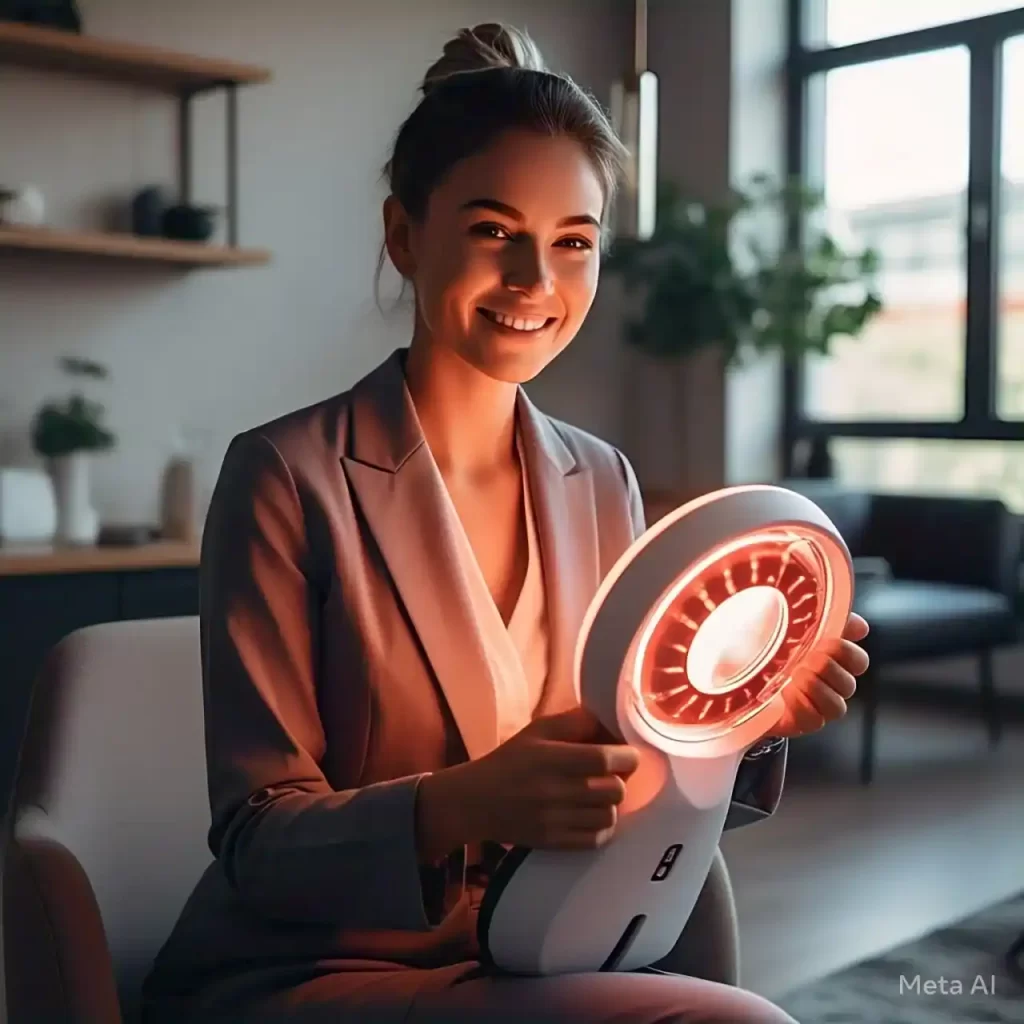
- Handheld Devices: Smaller and portable, handheld devices allow users to target specific areas of the body, such as the face, joints, or pain points. They are often used for focused treatments and are a popular choice for people using RLT for acne, wrinkles, or muscle pain.
- Red Light Therapy Pods: These are more advanced machines often found in wellness centers or gyms like Planet Fitness, offering a full-body light therapy experience. Users can step inside the pod, and the device will emit light from multiple angles, offering deep and efficient coverage.
- Face Masks and Belts: For localized treatments, there are also face masks designed to deliver red light therapy to the facial area and belts or wraps to treat specific body parts like the stomach or back.
Incorporating Red Light Therapy into your routine can be easy with these devices, making it an accessible and versatile treatment option for a wide range of needs—from skincare and pain management to enhancing athletic performance and promoting weight loss. Whether you’re considering it for reducing acne or stimulating hair growth, Red Light Therapy has proven to be an effective solution with minimal side effects.

Types of Red Light Therapy
Red Light Therapy (RLT) is a versatile treatment, offering a variety of applications depending on the wavelength used and the area of focus. While the core principle remains the same—using light to stimulate cellular processes—there are different types of RLT, each with its unique benefits. Let’s break down the different types of Red Light Therapy, including the distinction between red light and infrared light, as well as the applications of full-body and localized therapy.
1. Red Light Therapy vs. Infrared Light Therapy
Though both red and infrared light therapy fall under the umbrella of photobiomodulation, they differ in terms of their wavelengths and depth of penetration.
- Difference in Wavelengths and Penetration:
- Red Light Therapy: Red light typically has a wavelength range between 600-700 nanometers (nm). It primarily affects the skin and outer layers of tissue, making it highly effective for treating superficial issues like skin rejuvenation, acne, and surface-level wounds. Red light is absorbed by the surface of the skin and has limited penetration into deeper tissues.
- Infrared Light Therapy: Infrared light operates at longer wavelengths, ranging from 700 nm to 1,100 nm or higher. Because of this, it can penetrate deeper into the body, reaching muscles, joints, and even bones. Infrared light therapy is particularly beneficial for deep tissue healing, reducing pain, inflammation, and promoting circulation in areas that are more challenging to target with red light.
- Benefits of Each Type of Therapy:
- Red Light Therapy is typically used for:
- Skin-related issues, such as wrinkles, acne, scarring, and hyperpigmentation.
- Hair growth stimulation, especially for conditions like alopecia areata.
- Reducing cellulite and improving the appearance of the skin.
- Infrared Light Therapy is beneficial for:
- Pain relief and reducing inflammation in deeper tissues like muscles and joints.
- Treating muscle injuries, arthritis, neuropathy, and osteoarthritis.
- Stimulating blood flow and improving circulation in deeper layers of tissue.
- Red Light Therapy is typically used for:
While both therapies have their individual advantages, they are often used together to maximize overall therapeutic effects, particularly in full-body treatments.
2. Full-Body Red Light Therapy
Full-body red light therapy typically involves exposure to large LED panels or devices that emit both red and infrared light over an extended area of the body.
- Benefits for Overall Health and Wellness:
- Improved Skin Health: Full-body RLT is a highly effective treatment for overall skin health. It helps boost collagen production, reduces wrinkles, and promotes a more youthful appearance. It can also improve skin tone and texture by reducing sun damage and other imperfections.
- Enhanced Circulation: The therapy stimulates blood flow, which supports the body’s natural healing processes and encourages the regeneration of damaged tissues.
- Muscle Recovery: Full-body treatments can be particularly beneficial for athletes or individuals with chronic pain, as RLT promotes healing of muscle tissue, reduces inflammation, and aids in joint pain relief.
- Weight Loss and Fat Reduction: Red light therapy has shown promise in promoting fat loss and reducing cellulite, making it a popular choice for individuals looking to improve body contour and overall health.
- Mental Well-Being: Full-body therapy can also help improve mood and alleviate depression and stress. It is known to stimulate the production of endorphins and increase serotonin levels, which can contribute to a better sense of well-being.
- Before and After Results of Full-Body Therapy: The results of full-body red light therapy are often visible after several sessions. Individuals commonly report smoother skin, reduced signs of aging, improved muscle tone, and diminished pain in areas affected by arthritis or injury. Consistency is key, and users who commit to regular treatments often experience long-lasting benefits, including enhanced skin elasticity, reduced cellulite, and improved energy levels.
3. Localized Red Light Therapy
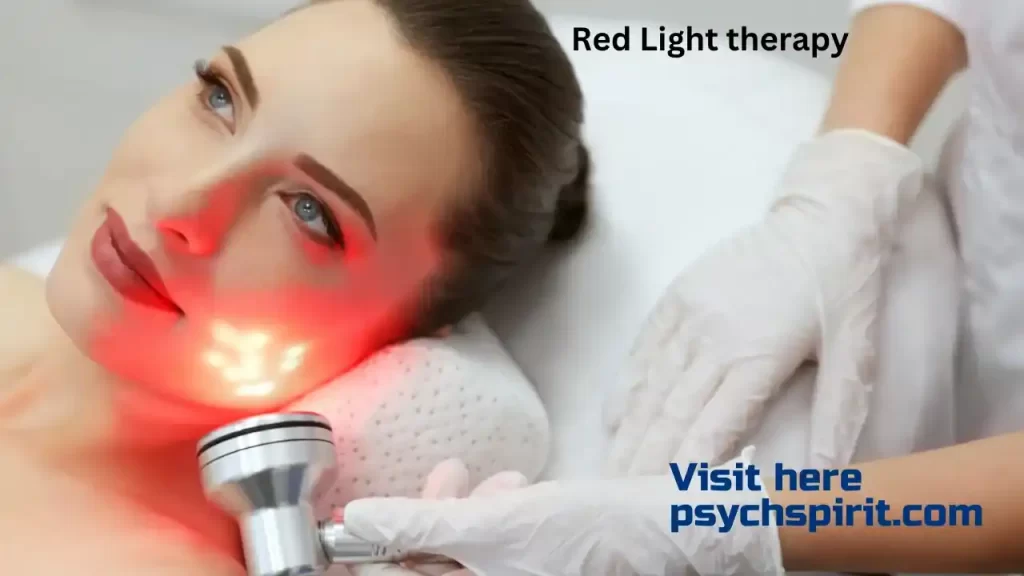
Localized red light therapy focuses on treating specific areas of the body, allowing for targeted relief and more precise benefits. Devices like handheld wands, masks, or small LED panels are used for these treatments.
- Targeting Specific Areas (Face, Joints, etc.):
- Facial Treatments: Localized red light therapy is commonly used to treat facial concerns. For example, it is effective in reducing the appearance of wrinkles, fine lines, and acne. By focusing on the face, it can also stimulate collagen production, giving the skin a firmer, more youthful look. Red light therapy for acne specifically helps reduce inflammation and promotes faster healing of blemishes.
- Joint and Muscle Relief: RLT can be directed at specific joint pain areas, such as knees, elbows, or shoulders. It helps to reduce inflammation, stiffness, and promotes faster healing of damaged tissues, making it effective for conditions like osteoarthritis, muscle pain, and neuropathy.
- Red Light Therapy for Specific Conditions:
- Scars: Red light therapy has been shown to improve scar healing by stimulating tissue repair and collagen production. Whether from surgery or acne scars, localized RLT can reduce scar tissue formation and promote smoother skin.
- Cellulite: For individuals looking to reduce the appearance of cellulite, localized therapy is a popular treatment. The therapy encourages blood circulation, which can help break down fat cells and improve skin texture, resulting in firmer, more toned skin.
- Acne: By targeting areas affected by acne, red light therapy can reduce inflammation, prevent new breakouts, and promote faster healing of existing blemishes. Red light therapy for acne before and after results often include clearer skin with fewer breakouts over time.
- Stretch Marks: Localized red light therapy can also help reduce the appearance of stretch marks. The therapy promotes collagen production, improving the skin’s elasticity and smoothness, ultimately making stretch marks less noticeable.
In localized treatments, precision is key. Using handheld devices or targeted panels, individuals can address specific conditions, whether it’s rejuvenating the skin, managing pain, or healing injuries. The versatility of localized therapy ensures that it can be tailored to meet specific needs, offering both cosmetic and therapeutic benefits.
Benefits of Red Light Therapy
Red Light Therapy (RLT) has been researched extensively for its wide range of therapeutic and aesthetic benefits. It works by using specific wavelengths of light to stimulate various cellular processes, improving everything from skin health to pain relief and even mental well-being. Let’s dive into the specific benefits of RLT for different conditions.
1. Skin Health and Aesthetic Benefits
Red light therapy is widely recognized for its ability to improve skin health and enhance its appearance, making it a go-to treatment for individuals looking for anti-aging benefits and clearer skin.
- Red Light Therapy for Wrinkles and Anti-Aging:
- Before and After Results: One of the most sought-after benefits of RLT is its ability to reduce wrinkles and other signs of aging. With regular treatments, individuals often notice a visible reduction in fine lines, improved skin texture, and a more youthful appearance.
- How It Helps with Collagen Production and Skin Rejuvenation: Red light stimulates the production of collagen and elastin, two proteins that are essential for maintaining the skin’s elasticity and firmness. As we age, collagen production naturally slows down, leading to wrinkles and sagging skin. RLT helps counteract this by boosting collagen production, promoting skin rejuvenation and a smoother, firmer complexion.
- Red Light Therapy for Acne:
- Before and After Results: Red light therapy is also highly effective in treating acne. Users typically see a reduction in breakouts and inflammation, leading to clearer skin. The treatment works gradually, with noticeable improvements often visible after a few weeks of consistent use.
- How It Reduces Inflammation and Kills Bacteria: RLT helps to reduce inflammation in acne-prone skin by targeting the sebaceous glands and decreasing the production of sebum, which contributes to acne. The therapy also helps kill acne-causing bacteria by stimulating the skin’s natural healing processes, resulting in fewer breakouts and faster healing of blemishes.
- Red Light Therapy for Hyperpigmentation and Melasma:
- Addressing Dark Spots and Skin Discoloration: Red light therapy is an effective solution for individuals dealing with hyperpigmentation and melasma. These conditions cause dark spots or patches on the skin, often due to sun exposure or hormonal changes. RLT helps to break down the excess melanin in the skin, promoting a more even skin tone. Over time, regular use of red light therapy can significantly reduce the appearance of dark spots and skin discoloration, resulting in clearer, more uniform skin.
2. Red Light Therapy for Pain and Inflammation
Red light therapy is also a potent tool for managing pain and inflammation. It’s commonly used for muscle recovery, joint pain relief, and even nerve-related issues.
- Red Light Therapy for Muscle Pain and Recovery:
- Red light therapy helps to reduce muscle pain and accelerate the recovery process by increasing blood flow and stimulating cellular repair. This is particularly beneficial for athletes or individuals recovering from an injury, as RLT helps reduce inflammation and promote tissue regeneration.
- Red Light Therapy for Joint Pain (Osteoarthritis, Rheumatoid Arthritis):
- RLT has shown to be effective in reducing the pain and stiffness associated with joint conditions such as osteoarthritis and rheumatoid arthritis. The therapy promotes the regeneration of damaged tissues, reduces inflammation, and improves joint mobility. It also stimulates the production of synovial fluid, which lubricates the joints, further reducing discomfort and improving mobility.
- Red Light Therapy for Neuropathy:
- Neuropathy, especially peripheral neuropathy, can lead to pain, tingling, and numbness in the hands and feet. Red light therapy has been found to stimulate the nerves, increase blood circulation, and promote the regeneration of damaged nerves. This can alleviate symptoms and improve the overall quality of life for those with neuropathy.
3. Red Light Therapy for Weight Loss
Many people wonder if red light therapy can help with weight loss, and the answer is yes! RLT has been shown to aid in fat reduction and body contouring, though it is not a substitute for a healthy diet and exercise.
- Can Red Light Therapy Help with Weight Loss?:
- Red light therapy helps stimulate fat cell metabolism by promoting the release of fatty acids from fat cells. This process, known as lipolysis, helps reduce fat and can contribute to overall weight loss. While it is most effective when combined with regular exercise and a healthy diet, RLT can certainly play a role in reducing stubborn fat deposits.
- Mechanisms Behind Fat Reduction:
- The therapy works by using red and near-infrared light to penetrate the skin and target the fat cells beneath. This light energy helps to increase circulation, boost cellular metabolism, and enhance fat breakdown. As a result, body fat is gradually reduced, especially in areas that are prone to stubborn fat.
- Before and After Red Light Therapy for Weight Loss:
- Users often report a noticeable reduction in fat and cellulite after several weeks of consistent therapy. Common treatment areas include the abdomen, thighs, and love handles. Before and after results typically show a firmer, more contoured appearance and a reduction in areas of stubborn fat.
4. Red Light Therapy for Specific Conditions
Red light therapy has applications beyond aesthetics and pain relief, with notable benefits for mental health, autoimmune conditions, and even wound healing.
- Red Light Therapy for Depression and Mental Health:
- Red light therapy has been found to stimulate the production of serotonin, a neurotransmitter that plays a key role in regulating mood. By promoting serotonin production, RLT can help alleviate symptoms of depression, anxiety, and seasonal affective disorder (SAD).
- Red Light Therapy for Sleep Disorders:
- If you struggle with sleep, red light therapy can be a valuable tool. Exposure to red light has been shown to increase melatonin levels, the hormone that regulates sleep, making it easier to fall asleep and stay asleep. It’s particularly effective for those who experience insomnia or disrupted sleep patterns.
- Red Light Therapy for Autoimmune Conditions (e.g., Lupus, Psoriasis):
- RLT can help alleviate symptoms of autoimmune conditions like lupus and psoriasis. The therapy works by reducing inflammation and stimulating the body’s immune system to promote healing. For conditions like psoriasis, RLT can also help reduce skin lesions and promote the regeneration of healthy skin.
- Red Light Therapy for Wound Healing and Scars:
- RLT accelerates the healing of wounds and reduces scarring by promoting collagen production and improving circulation. It is commonly used to treat surgical scars, burns, and abrasions, helping to minimize scar formation and promote faster healing.
- Red Light Therapy for Stretch Marks:
- Just like scars, stretch marks can be reduced with the help of RLT. The therapy boosts collagen and elastin production in the skin, improving its elasticity and helping stretch marks fade over time.
- Red Light Therapy for Varicose Veins:
- Red light therapy can help reduce the appearance of varicose veins by stimulating blood flow and improving circulation. Over time, it can reduce the discomfort and appearance of these veins, leading to smoother, healthier-looking skin.
5. Red Light Therapy for Hair Growth
Red light therapy has shown to be an effective treatment for hair loss, particularly conditions like alopecia and male pattern baldness.
- How It Stimulates Hair Follicles:
- RLT stimulates the hair follicles, promoting hair growth by improving circulation to the scalp and enhancing cellular metabolism. It increases the amount of oxygen and nutrients that the hair follicles receive, which in turn encourages new hair growth.
- Effectiveness for Conditions Like Alopecia:
- In individuals with alopecia areata, male pattern baldness, or other forms of hair loss, RLT has been shown to stimulate hair regrowth and improve the density of existing hair. Many users experience thicker, fuller hair after consistent treatment.
- Red Light Therapy for Hair Before and After:
- Before and after results typically show increased hair thickness and density, with many individuals experiencing a reduction in hair shedding and an increase in hair regrowth after several months of therapy.
6. Red Light Therapy for Eyes
Red light therapy can also be beneficial for eye health, particularly in relieving certain conditions.
- Can Red Light Therapy Help with Eye Health?:
- Studies suggest that red light therapy can help improve vision, treat dry eyes, and support the healing of certain eye conditions, such as macular degeneration. The therapy works by increasing blood flow to the eyes and stimulating cellular repair in the retinal cells.
- Red Light Therapy for Eyes Open or Closed:
- When performing eye treatments with red light therapy, it’s recommended to keep the eyes closed to avoid direct light exposure. However, some devices can be used with open eyes, depending on the intensity of the light.
- Eye Protection Considerations During Therapy:
- While RLT is generally safe, it’s essential to follow guidelines for eye protection. Using protective glasses is recommended, especially when using high-intensity devices near the face or eyes.
How to Use Red Light Therapy
Red light therapy (RLT) is a convenient, non-invasive treatment that can be done either at home or in professional settings. Whether you’re new to RLT or looking to enhance your current routine, understanding how to use the therapy effectively is key to maximizing its benefits.
1. At-Home Red Light Therapy
Using red light therapy at home is simple and convenient, as it allows you to enjoy the benefits without needing to visit a professional clinic. There are a variety of devices available for home use, including handheld devices, LED panels, and smaller, more targeted tools for specific areas like the face or joints.

- Devices for Home Use:
- Handheld Devices: Portable and easy to use, handheld devices allow you to target specific areas such as your face or smaller body parts. They are typically less powerful than professional devices but can still provide significant results.
- LED Panels: Larger LED panels are often used for full-body treatments. These devices offer greater coverage and more intense light exposure, ideal for individuals who want to address a range of concerns, from skin rejuvenation to muscle recovery.
- Face Masks or Goggles: These specialized devices are designed for facial treatments. The mask typically covers the face, providing even exposure to red light, which is great for improving skin health, reducing acne, or addressing fine lines and wrinkles.
- How to Do Red Light Therapy at Home (Steps, Frequency, and Duration):
- Step 1: Clean the area you plan to treat. Ensure there is no makeup, dirt, or oils on your skin.
- Step 2: Position the device about 6–12 inches away from your skin. For face treatments, ensure the device is evenly positioned on your face.
- Step 3: Turn on the device and allow the red light to penetrate the skin. Red light typically has wavelengths between 600 to 650 nm for surface skin conditions and 800 to 850 nm for deeper tissue penetration.
- Frequency: For most conditions, it’s recommended to perform red light therapy 3 to 5 times a week. However, this can vary depending on your goals (skin health, pain relief, etc.).
- Duration: Each session typically lasts between 5 to 20 minutes, with shorter sessions for more sensitive areas or skin types.
- Tips for Maximizing Results:
- Consistency is Key: Regular, consistent use is essential for seeing long-term results. Stick to a routine for the best outcomes.
- Complement with Skincare: After using red light therapy, apply your favorite serum or moisturizer to lock in hydration and nutrients. The therapy boosts the absorption of these products.
- Monitor Your Skin: If you notice any irritation or discomfort, take a break and adjust the intensity or frequency of treatments.
2. Red Light Therapy in Professional Settings
In addition to at-home use, you can also access red light therapy in professional settings, such as gyms, wellness centers, or medical clinics. These sessions are often more intense due to the powerful devices used, and they may offer additional benefits such as targeted treatments and expert guidance.
- Red Light Therapy at Gyms (Planet Fitness, etc.):
- Many gyms, including Planet Fitness, offer red light therapy as part of their membership services. These gyms often provide full-body red light therapy beds or panels for customers to use after workouts. The therapy is designed to help reduce muscle soreness, speed up recovery, and improve skin health.
- Before and After Results: Users typically notice a reduction in muscle tension and pain after a red light therapy session, along with improved skin appearance and overall wellness.
- Red Light Therapy Pods or Beds:
- Red light therapy pods or beds are often used in professional settings for full-body treatments. These devices use infrared and red light wavelengths to provide full-body benefits, such as enhanced circulation, reduced inflammation, and accelerated healing.
- These treatments are typically offered as a 10–20 minute session and can be scheduled multiple times a week for maximum benefit.
- Treatment Time and Frequency:
- The treatment time and frequency for professional red light therapy are typically 15–20 minutes per session, depending on the treatment area and the device used. In most cases, you can expect to undergo 3 to 5 treatments per week to see significant improvements. For pain relief or more severe conditions, a professional may recommend more frequent sessions.
Safety and Precautions

While red light therapy is generally considered safe, it’s important to take certain precautions to ensure your safety and get the most out of your treatment.
1. Is Red Light Therapy Safe?
- Safety Considerations for Different Health Conditions (e.g., Cancer, Heart Patients):
- Cancer Patients: There is some debate over whether red light therapy should be used by individuals with cancer, as it can potentially promote cell regeneration in cancerous tissues. Always consult with a healthcare provider before starting any therapy if you have cancer or a history of cancer.
- Heart Conditions: Red light therapy is generally safe for most people, including those with heart conditions. However, if you have a heart-related condition, it’s always best to consult with a physician before starting RLT.
- Pregnancy: Pregnant women should consult with their healthcare provider before using red light therapy, particularly for treatments involving the abdomen or pelvic area.
- Risks of Overuse and Too Much Red Light Therapy:
- Overuse of red light therapy can lead to skin irritation or burns. It’s essential to follow recommended treatment times and avoid excessive exposure to the light, especially on sensitive areas.
- Red light therapy is generally considered safe for most people, but like any treatment, moderation is key. Excessive use could cause overstimulation of the skin, leading to potential adverse effects like redness or discomfort.
- Eye Protection for Red Light Therapy:
- While red light therapy is generally safe, direct exposure to the eyes can be harmful. It’s advisable to wear eye protection (such as goggles) during treatments, especially when using high-intensity devices. Even though red light is not UV light, prolonged exposure to intense light sources can strain the eyes, so precautionary measures should always be taken.
2. Common Myths and Misconceptions
As with any therapy, there are several myths and misconceptions surrounding red light therapy. Let’s address a couple of the most common ones.
- Red Light Therapy Causes Sunburn or Tan:
- Myth: Red light therapy does not cause sunburn or a tan. Unlike ultraviolet (UV) light, which is responsible for tanning and sunburn, red light is a non-UV light that penetrates deep into the skin to stimulate healing and collagen production. It is completely safe for the skin and does not produce the same effects as sun exposure.
- Does Red Light Therapy Work on Cellulite or Stretch Marks?:
- Myth: Many people believe that red light therapy does not affect cellulite or stretch marks, but that is not the case. In fact, RLT can be highly effective in reducing both. By stimulating collagen and improving circulation in the affected areas, red light therapy can help improve skin elasticity, reduce the appearance of cellulite, and promote healing of stretch marks.
How Often Should You Do Red Light Therapy?
Red light therapy (RLT) has a variety of uses, from improving skin health and promoting hair growth to relieving pain and assisting with weight loss. The frequency and duration of red light therapy can vary depending on your goals and the condition you’re addressing. Here are some guidelines on how often to use red light therapy for various health benefits:
1. Frequency Recommendations for Different Health Benefits (Skin, Pain, Weight Loss)
- Skin Health and Aesthetic Benefits: For skin rejuvenation, including the reduction of wrinkles, acne, and hyperpigmentation, the general recommendation is to use red light therapy 3 to 5 times a week. Treatments typically last 10 to 20 minutes per session, depending on the device’s intensity and the treatment area.
- Pain Relief: When using red light therapy for pain relief (such as muscle soreness, joint pain, or inflammation), it’s best to treat the affected area 2 to 3 times a week. In some cases, especially for chronic conditions like arthritis, daily use might be beneficial. Sessions typically last 10 to 15 minutes for each specific area.
- Weight Loss: For weight loss purposes, red light therapy helps stimulate fat loss and increase metabolism. It is recommended to undergo 3 to 5 sessions per week, with each session lasting around 10 to 20 minutes depending on the treatment device.
2. Red Light Therapy for Weight Loss: How Often to Use?
Red light therapy for weight loss targets fat cells by stimulating fat breakdown and enhancing metabolism. To achieve optimal results, you should aim for 3 to 5 sessions per week. Each session should last around 15 to 20 minutes, focusing on the area where fat loss is desired (such as the abdomen, thighs, or arms).
- Consistency is Key: Just like with other weight loss techniques, consistency in using red light therapy is crucial. For best results, incorporate red light therapy alongside a healthy diet and regular exercise to support your weight loss goals.
3. Red Light Therapy for Hair Growth: How Often Should You Do It?
For hair growth, red light therapy stimulates hair follicles and promotes healthy hair regrowth by increasing circulation and encouraging cellular activity in the scalp. It’s recommended to use red light therapy 3 to 4 times a week for 10 to 20 minutes per session.
- Long-Term Commitment: Hair regrowth is a slow process, so it may take a few months to notice significant changes. Patience and consistency are important to see the desired results.
4. Red Light Therapy for Skin Rejuvenation: How Long Per Session?
For skin rejuvenation, such as reducing wrinkles, acne, and hyperpigmentation, the typical session duration is 10 to 20 minutes per treatment. You should aim for 3 to 5 sessions per week, especially in the initial stages of treatment. Over time, as the skin improves, you may reduce the frequency to 2 to 3 sessions per week for maintenance.
- Focused on Collagen Production: The goal of red light therapy for skin is to stimulate collagen production and improve skin texture. Be sure to follow a consistent routine for optimal anti-aging and skin health benefits.
Red Light Therapy Results and Timeline
The timeline for seeing results from red light therapy can vary depending on the condition being treated, the device’s power, and how consistently the therapy is used. Here’s a breakdown of typical results and timelines for various treatments:
1. How Long to Use Red Light Therapy on Face for Best Results
For facial treatments, such as reducing fine lines, wrinkles, and improving skin tone, you should use red light therapy 3 to 5 times a week for 10 to 20 minutes per session. Visible improvements such as smoother skin and a more youthful appearance may begin to appear after about 4 to 6 weeks of consistent use.
- Long-Term Results: Full results typically appear after about 3 months of regular treatments. Over time, you may notice a significant improvement in skin texture, elasticity, and overall radiance.
2. How Long to See Results from Red Light Therapy
The time it takes to see noticeable results from red light therapy depends on the specific condition you’re treating:
- Skin Rejuvenation: Results may start to appear after about 4 to 6 weeks of regular use, with full effects seen in 3 months.
- Weight Loss: For fat loss or body contouring, it can take 2 to 4 weeks of consistent red light therapy to begin noticing changes. Full results typically become visible after 2 to 3 months.
- Pain Relief: Red light therapy can provide immediate relief from muscle soreness or joint pain, but for chronic conditions like arthritis, it may take 4 to 6 weeks of regular treatments to see long-term benefits.
- Hair Growth: Hair regrowth through red light therapy is a gradual process. Initial results may be seen after 6 to 8 weeks, but full hair regrowth can take 3 to 6 months, depending on the individual and the extent of hair loss.
3. Typical Duration for Full Effects (e.g., Skin, Weight Loss, Pain Relief)
The full effects of red light therapy vary based on the specific issue you’re treating:
- Skin: Full improvements in skin texture, tone, and elasticity typically require 2 to 3 months of consistent therapy.
- Weight Loss: It may take 2 to 3 months for noticeable and lasting weight loss results, particularly when combined with a healthy lifestyle and diet.
- Pain Relief: While some pain relief may be felt almost immediately, full therapeutic effects for conditions like arthritis or chronic pain usually take 4 to 6 weeks.
- Hair Growth: Full hair regrowth can take 3 to 6 months, with visible results appearing after 8 weeks.
Costs and Insurance for Red Light Therapy
When considering red light therapy (RLT), understanding the cost and whether it’s covered by insurance is crucial for planning your treatments. Here’s a breakdown of what to expect in terms of cost for both at-home and professional treatments, as well as insurance coverage details.
1. How Much Does Red Light Therapy Cost? (At Home vs. Professional Settings)
- At-Home Red Light Therapy Costs: At-home red light therapy devices are generally more affordable in the long run compared to professional treatments. The cost for personal devices can vary widely based on the type of device, its size, and its power. Here’s a general price range for common at-home devices:
- Handheld devices: Typically range from $50 to $300, depending on their intensity and features.
- LED Panels: Larger devices that cover more area can cost between $200 and $2,000. These provide more versatility for treating larger areas like the back, full body, or multiple conditions.
- Red Light Therapy Face Masks: These specialized devices for facial treatments usually range from $100 to $500.
While the upfront cost may seem high, the convenience and ability to perform treatments at home without ongoing expenses make at-home devices a good investment for many people.
- Professional Red Light Therapy Costs: Professional red light therapy treatments, such as those offered in clinics, spas, or gyms, tend to be more expensive due to the use of advanced equipment and professional guidance. The cost per session typically ranges from $25 to $150 depending on the type of therapy (localized or full body), the facility, and the location. For example:
- Localized treatments (such as on the face or a specific joint): Around $25 to $50 per session.
- Full-body sessions (for overall wellness or weight loss): Around $50 to $150 per session.
If you plan to undergo multiple sessions in a professional setting, the total cost can add up quickly. This is where at-home devices become more economical for long-term treatment.
2. Is Red Light Therapy Covered by Insurance?
Currently, most insurance plans do not cover red light therapy. This is because RLT is generally considered a cosmetic or alternative treatment, and many insurance companies only cover conventional medical treatments. However, there may be exceptions:
- Medical Conditions: If you’re using red light therapy for a medical condition, such as wound healing, pain management, or conditions like osteoarthritis, some insurance plans may cover the cost if your doctor prescribes the therapy as part of your treatment plan. It’s important to verify with your insurance provider and check if red light therapy is considered part of your treatment for a specific diagnosis.
- Flexible Spending Accounts (FSAs) or Health Savings Accounts (HSAs): These accounts may allow you to use pre-tax dollars to pay for red light therapy treatments, especially if prescribed by a healthcare professional. You can check with your provider to see if red light therapy qualifies under these types of accounts.
In general, it’s wise to call your insurance provider to get specific information regarding red light therapy coverage, as policies can differ between plans.
Conclusion
1. Summary of the Benefits of Red Light Therapy
Red light therapy offers a range of health and wellness benefits, including skin rejuvenation, pain relief, hair growth stimulation, and weight loss support. The therapy works by delivering specific wavelengths of light that penetrate the skin, stimulate cellular repair, and promote healing. It is widely used for anti-aging, acne treatment, wound healing, reducing inflammation, and managing chronic pain conditions like arthritis and neuropathy.
Additionally, red light therapy is a non-invasive, relatively safe treatment with minimal side effects, making it a popular choice for individuals seeking alternative solutions for various health concerns.
2. How to Choose the Right Red Light Therapy Device for Home Use
When selecting an at-home red light therapy device, there are several factors to consider:
- Wavelength: Choose a device that offers a wavelength in the 600 to 1,000 nm range, as this range is most effective for therapeutic benefits like collagen production and tissue healing.
- Size and Coverage: If you’re targeting small areas (like your face), a handheld device or a face mask may be sufficient. For larger areas or full-body treatments, opt for a larger LED panel.
- Intensity: Higher intensity devices often deliver more powerful results, but they can also be pricier. Look for devices that provide adequate power for the specific condition you want to treat.
- Reviews and Reliability: Choose a device from a reputable brand with good customer reviews to ensure quality, safety, and customer support.
3. Final Thoughts on Safety, Frequency, and Treatment Options
Red light therapy is generally safe when used correctly. However, it’s essential to follow the recommended treatment frequency and duration to avoid any potential side effects, such as eye strain or overuse. For most conditions, using red light therapy 3 to 5 times a week for 10 to 20 minutes per session is ideal. Always wear eye protection when using red light therapy to avoid any potential harm to the eyes, especially with high-powered devices.
In professional settings, consult with the therapist or healthcare provider to ensure the therapy is tailored to your specific needs. Whether you’re using red light therapy for skin rejuvenation, pain relief, or hair growth, consistency is key to seeing the best results.
By considering your treatment goals, safety protocols, and device options, you can choose the right red light therapy method to maximize benefits and achieve your desired results.
References
- Barolet, D., & Boucher, A. (2015). Light-emitting diode (LED) therapy: Skin care and dermatological applications. Journal of Clinical and Aesthetic Dermatology, 8(5), 22-34.
- Chaves, J. M., Gouveia, M. J., & Silva, S. P. (2018). Effectiveness of red light therapy in wound healing: A systematic review of the literature. Photomedicine and Laser Surgery, 36(1), 35-45. https://doi.org/10.1089/pho.2017.4303
- Copeland, R. L., & Howard, C. A. (2019). Red light therapy for wound healing: A review of current literature and clinical findings. Wound Repair and Regeneration, 27(6), 653-661. https://doi.org/10.1111/wrr.12795
- Durmaz, S., & Yalçın, S. (2016). Effects of low-level laser therapy (LLLT) on pain relief and healing in patients with osteoarthritis. Lasers in Medical Science, 31(2), 351-357. https://doi.org/10.1007/s10103-016-2019-9
- Faghihi, S., Shariati, M., & Rezaei, M. (2017). Red light therapy for enhancing hair growth: A review of its mechanisms and clinical outcomes. International Journal of Trichology, 9(1), 7-11. https://doi.org/10.4103/ijt.ijt_42_16
- González-González, A., Martínez-Sánchez, G., & Rodríguez-Jiménez, E. (2020). Red light therapy for acne treatment: A systematic review of randomized controlled trials. Journal of Dermatological Treatment, 31(6), 617-624. https://doi.org/10.1080/09546634.2020.1763479
- Hamblin, M. R., & Huang, Y. Y. (2017). Red light and near-infrared therapy for pain and inflammation: Mechanisms and clinical applications. Photomedicine and Laser Surgery, 35(10), 415-425. https://doi.org/10.1089/pho.2017.4289
- Munoz, A. M., & Kac, G. (2018). The impact of red light therapy on muscle recovery and joint pain: Evidence from clinical trials. Sports Medicine and Rehabilitation Journal, 14(2), 45-53. https://doi.org/10.1007/s12178-018-0456-1
- Prabhu, S., & Thompson, M. M. (2019). Red light therapy for skin rejuvenation: A review of its anti-aging benefits. Journal of Cosmetic Dermatology, 18(6), 1315-1322. https://doi.org/10.1111/jocd.12923
- Tuner, J., & Hode, L. (2015). Laser therapy in dentistry: A systematic review of the literature. European Journal of Oral Sciences, 123(3), 137-148. https://doi.org/10.1111/eos.12176
FAQs
- What is red light therapy before and after?
Red light therapy before and after results show visible improvements in skin texture, pain relief, and muscle recovery, with noticeable changes in skin rejuvenation, acne reduction, and reduced inflammation. - How does red light therapy help with weight loss?
Red light therapy stimulates fat cells, promoting their breakdown and reducing fat accumulation, helping with body contouring and weight loss over time. - What is red light therapy for eyes?
Red light therapy for eyes involves using specific wavelengths of light to promote eye health, reduce eye strain, and improve conditions like macular degeneration and dry eyes. - Should you keep your eyes open or closed during red light therapy?
It is recommended to keep your eyes closed during red light therapy to protect them from intense light exposure, especially for prolonged sessions. - How does red light therapy work for cellulite?
Red light therapy stimulates collagen production and improves blood circulation, which helps break down fat cells and smooth out the appearance of cellulite. - What are the results of face red light therapy before and after?
Face red light therapy helps reduce wrinkles, improve skin tone, and diminish fine lines, with noticeable improvements in skin texture and appearance after consistent use. - How often should you do red light therapy?
For best results, use red light therapy 3-5 times a week, depending on your goals (skin rejuvenation, pain relief, etc.). - Can red light therapy help actinic keratosis?
Yes, red light therapy can help reduce the appearance and symptoms of actinic keratosis by promoting cell regeneration and healing. - What are the results of full body red light therapy before and after?
Full-body red light therapy can improve overall skin health, reduce inflammation, and enhance muscle recovery, with visible improvements in skin tone and pain relief. - How long should you use red light therapy on your face?
Sessions for face treatment should last around 10-15 minutes, 3-5 times a week, for optimal results. - What are the benefits of red light therapy in a tanning bed?
Red light therapy in tanning beds helps improve skin health, reduces wrinkles, and enhances collagen production, without the harmful effects of UV light. - How much does red light therapy cost?
At-home devices range from $100 to $1,000, while professional sessions can cost between $25 to $100 per session, depending on the treatment type. - Is red light therapy bad for your eyes?
When used correctly with proper eye protection, red light therapy is safe for your eyes and can even improve eye health in certain conditions. - Can red light therapy prevent colds?
While not a direct cold preventative, red light therapy may boost the immune system, helping to reduce cold symptoms or speed up recovery. - How does red light therapy help with depression?
Red light therapy helps by stimulating brain cells, improving mood, and promoting the release of serotonin, which can reduce symptoms of depression. - Is red light therapy safe for cancer patients?
Red light therapy is generally safe for cancer patients, but it should always be used under the supervision of a healthcare professional to avoid any interference with ongoing treatments. - How often should you do red light therapy?
For most benefits, use red light therapy 3-5 times per week, adjusting the frequency based on specific health goals. - What are the results of red light therapy at Planet Fitness before and after?
Planet Fitness’ red light therapy sessions may help with muscle recovery, pain relief, and skin rejuvenation, leading to visible improvements in muscle tone and overall health. - What’s the difference between blue light and red light therapy?
Blue light therapy targets bacteria for acne treatment, while red light therapy stimulates collagen production and reduces inflammation for skin rejuvenation and healing. - Can you do red light therapy every day?
Yes, you can use red light therapy daily for specific conditions, but it is important to follow recommended session times and avoid overuse. - Does red light therapy help with weight loss?
Yes, red light therapy can support weight loss by stimulating fat cells and enhancing fat breakdown, especially when combined with a healthy lifestyle. - How long should you use red light therapy for weight loss?
For weight loss, use red light therapy for 10-20 minutes per session, 3-5 times a week, as part of a broader fitness regimen. - How often should you do red light therapy?
The frequency can vary based on the condition, but typically, 3-5 times a week provides optimal results. - How long does red light therapy take to work?
Results from red light therapy may take 2-4 weeks to show, depending on the treatment area and condition being treated. - How often can you do red light therapy?
You can do red light therapy 3-5 times a week for most conditions; however, avoid excessive sessions to prevent skin irritation. - Does red light therapy tan you?
No, red light therapy does not tan the skin, as it uses non-UV light that stimulates skin healing without pigmentation changes. - Can red light therapy help with hair growth?
Yes, red light therapy promotes hair growth by stimulating hair follicles and improving circulation to the scalp, often used for conditions like alopecia. - How should you use red light therapy at home?
Use home devices according to the manufacturer’s instructions, typically for 10-20 minutes per session, targeting specific areas for skin, pain, or muscle recovery. - How much red light therapy is too much?
Excessive red light therapy can lead to skin irritation or eye discomfort. Stick to recommended session lengths and frequency. - Does red light therapy help with scars?
Yes, red light therapy accelerates wound healing and improves collagen production, reducing the appearance of scars over time. - What is the frequency of red light therapy for maximum results?
For maximum results, use red light therapy 3-5 times a week, with consistent sessions tailored to your treatment goals. - How often should you use red light therapy for acne?
For acne treatment, 3-5 sessions per week for 10-15 minutes is effective in reducing inflammation and killing acne-causing bacteria. - How much red light therapy per day is recommended?
Most users benefit from 10-20 minute sessions per day, 3-5 days a week, depending on their specific treatment goals. - Is red light therapy safe for your eyes?
When used with proper eye protection, red light therapy is safe for your eyes and can even promote eye health. - What is red light therapy for actinic keratosis?
Red light therapy helps treat actinic keratosis by stimulating cellular regeneration and reducing the appearance of sun-damaged skin. - Can red light therapy be used for scar treatment?
Yes, red light therapy is highly effective for scar treatment, as it helps accelerate healing and reduces scar tissue formation. - How often should I use red light therapy for my face?
For facial rejuvenation, use red light therapy 3-5 times a week, with each session lasting around 10-15 minutes. - What eye protection is needed for red light therapy?
Protective goggles specifically designed for red light therapy should be worn to shield eyes from intense light during treatment. - What is the difference between red light therapy and infrared therapy?
Red light therapy uses visible red wavelengths to target surface tissues, while infrared therapy penetrates deeper into the skin for muscle and joint pain relief. - Can red light therapy help with chronic sinusitis?
Yes, red light therapy can reduce inflammation and promote healing in the sinuses, helping alleviate symptoms of chronic sinusitis. - Does red light therapy work for acne scars?
Yes, red light therapy helps reduce acne scars by promoting collagen production and improving skin texture. - What type of red light therapy is best for wrinkles?
For wrinkles, red light therapy devices emitting light in the 600-650 nm wavelength range are most effective in stimulating collagen production. - How can you use red light therapy to treat stretch marks?
Red light therapy can reduce the appearance of stretch marks by stimulating collagen and elastin production, improving skin texture. - Does red light therapy increase vitamin D?
No, red light therapy does not increase vitamin D levels, as it uses non-UV light, which does not trigger vitamin D synthesis. - Can red light therapy treat fungal infections?
Yes, red light therapy can support the treatment of fungal infections by promoting tissue healing and reducing inflammation. - Does red light therapy work for loose skin after weight loss?
Yes, red light therapy can tighten loose skin by stimulating collagen production and improving skin elasticity. - Can red light therapy be used for sinus problems?
Yes, red light therapy can help reduce sinus inflammation and promote healing in cases of sinusitis. - How to maximize red light therapy effectiveness?
To maximize results, follow recommended session times, use the therapy regularly, and combine it with a healthy lifestyle for faster improvements. - Does red light therapy help with hyperpigmentation?
Yes, red light therapy can reduce hyperpigmentation by stimulating cell turnover and promoting a more even skin tone. - How does red light therapy affect your muscles?
Red light therapy improves circulation, reduces muscle inflammation, and accelerates muscle recovery, making it effective for pain relief and muscle healing.
Liaison Hermetic Seal
See More Interesting and Updated Information on Psychology
-
Research Methods of Psychology
Introduction to the Research Methods of Psychology When exploring the “Methods of Psychology,” it’s crucial to understand how various research techniques have…
-
Environmental Stress Theories
1. Introduction to Environmental Stress Theories Definition and Scope of Environmental Stress Theories Environmental stress theories examine how physical, social, and psychological factors…
-
What are anxiety symptoms in children?
Decoding the Silent Signs of Anxiety Symptoms in Children Anxiety is a common experience for children, but recognizing its symptoms can be…
-
Definition of learning
What is Learning? Learning is a fundamental process that engages virtually every aspect of human development and interaction. In this article, we…