Healing Beyond Boundaries Unveiling the Magic of Therapy Modalities
In today’s fast-paced world, the quest for balance and well-being is more crucial than ever. Enter the realm of holistic healing—a practice that goes beyond traditional medicine to encompass mind, body, and spirit. But what if we could enhance this approach by combining various therapy modalities? This blog post will explore this idea, offering insights into how integrative therapy can lead to a more complete healing experience. Whether you’re a wellness enthusiast, mental health advocate, or just curious about alternative therapies, there’s something here for everyone.
Understanding Holistic Healing
To grasp the concept of combining therapy modalities for holistic healing, we first need to define what holistic healing is. At its core, holistic healing seeks to treat the individual as a whole, rather than focusing solely on symptoms. This approach considers emotional, physical, and spiritual factors, recognizing the interconnectedness of these aspects in achieving overall wellness.
Holistic healing is not a new concept; it has been practiced in various forms for centuries. From ancient Ayurveda to traditional Chinese medicine, cultures worldwide have recognized the benefits of treating the whole person. Today, this approach is gaining popularity as people seek out natural remedies and alternative therapies to complement conventional treatments.
The beauty of holistic healing lies in its versatility. By integrating multiple therapy modalities, practitioners can create a personalized treatment plan that addresses each individual’s unique needs, fostering balance and harmony in their lives.
The Power of Integrating Therapy Modalities
Integrating various therapy modalities into a holistic healing approach can unlock new levels of well-being. The key is understanding how each modality works and finding the right combination to suit the individual’s needs. By doing so, we can create a more comprehensive healing experience that addresses physical, emotional, and spiritual aspects of health.
One of the primary benefits of combining therapy modalities is the ability to tailor treatments to the individual’s specific needs. This customization allows practitioners to address any imbalances or underlying issues that may be contributing to the person’s overall well-being. By combining techniques, the potential for a more profound and lasting healing experience is amplified.
Additionally, integrated therapy modalities can enhance the effectiveness of one another. For example, combining energy healing with psychotherapy techniques can provide a powerful way to release emotional blockages and promote mental clarity. This synergy allows for a more comprehensive approach to healing, ultimately leading to improved outcomes for individuals seeking holistic health.
Exploring Therapy Modalities
There are countless therapy modalities available for those seeking holistic healing. By understanding the various options, individuals can make informed decisions about which techniques may be best suited for their needs. Below, we’ll explore some popular modalities and their potential benefits.
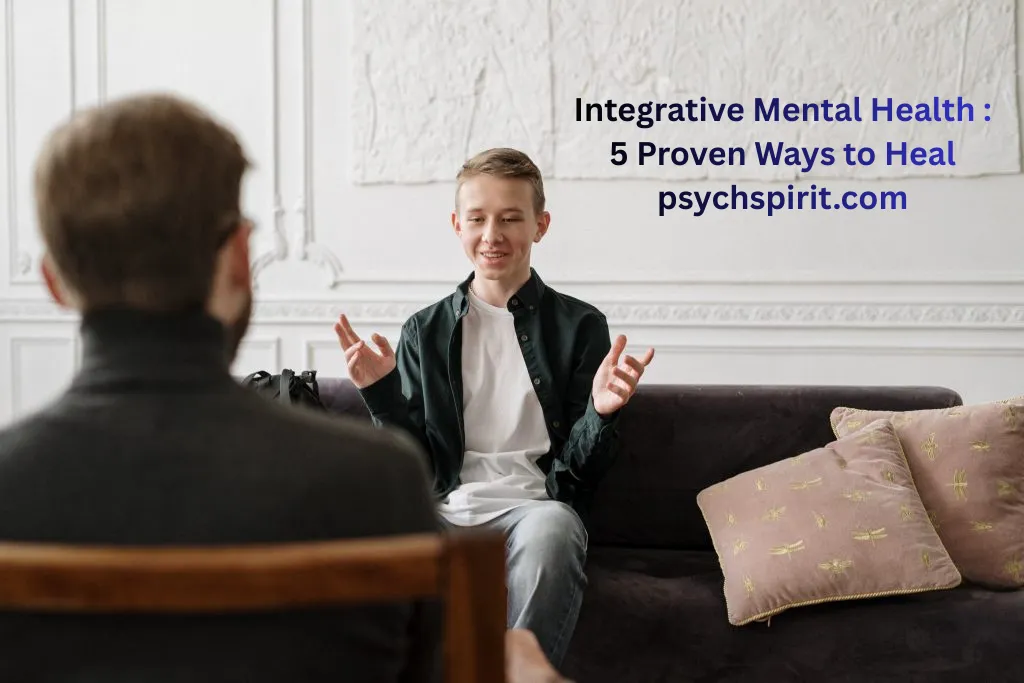
First, let’s consider psychotherapy techniques. Many individuals find that engaging in talk therapy can help them process emotions and gain a deeper understanding of themselves. Cognitive-behavioral therapy (CBT), dialectical behavior therapy (DBT), and psychodynamic therapy are just a few examples of modalities that can be integrated with holistic approaches to address mental health concerns.
Next, we have energy healing practices such as Reiki, acupuncture, and qigong. These modalities focus on balancing the body’s energy systems, promoting relaxation, and supporting the body’s natural ability to heal itself. When combined with other therapies, energy healing can provide a powerful means of addressing both emotional and physical concerns.
Lastly, complementary medicine practices like herbal remedies, nutrition counseling, and massage therapy can play a vital role in holistic healing. These approaches focus on enhancing the body’s innate healing abilities and supporting overall wellness. By integrating complementary medicine modalities, individuals can improve their physical health while also addressing emotional and spiritual aspects of well-being.
Mind-Body Connection in Holistic Healing
The mind-body connection is a crucial component of holistic healing. When we acknowledge the interplay between our mental and physical states, we can better understand how to achieve lasting wellness. By integrating therapy modalities that address both aspects, individuals can experience a more profound sense of balance and harmony.
One way to strengthen the mind-body connection is through mindfulness practices such as meditation and yoga. These techniques encourage self-awareness and promote relaxation, allowing individuals to connect with their inner selves and foster a sense of peace. Integrating mindfulness practices with other therapy modalities can enhance the healing process and promote overall well-being.
Another essential aspect of the mind-body connection is addressing the emotional roots of physical ailments. Holistic healing recognizes that unresolved emotions can manifest as physical symptoms, and by exploring these connections, individuals can work towards resolving them. Integrating therapy modalities that target both emotional and physical aspects can lead to a more comprehensive healing experience, ultimately fostering greater health and happiness.
The Role of Natural Remedies and Complementary Medicine
Natural remedies and complementary medicine play an important role in holistic healing. These approaches focus on supporting the body’s innate healing abilities, providing a gentler alternative to conventional treatments. By integrating these modalities, individuals can enhance their overall well-being and address various aspects of their health.
Herbal medicine is one example of a natural remedy that can be easily incorporated into a holistic healing plan. From soothing chamomile tea to immune-boosting echinacea, herbs have been used for centuries to support health and wellness. By working with a knowledgeable practitioner, individuals can identify which herbs may be most beneficial for their specific needs.
Another key aspect of complementary medicine is nutrition counseling. A balanced diet is essential for maintaining optimal health, and working with a nutritionist can help individuals create a personalized plan that meets their unique needs. By integrating nutrition counseling with other therapy modalities, individuals can support their physical health while also addressing emotional and spiritual aspects of wellness.
Harnessing the Power of Energy Healing
Energy healing is a powerful component of holistic healing, focusing on balancing the body’s energy systems to promote relaxation and support overall wellness. By incorporating energy healing modalities into a comprehensive treatment plan, individuals can experience profound benefits in their physical, emotional, and spiritual health.
Reiki is one popular energy healing modality that involves the practitioner channeling energy into the recipient’s body, promoting relaxation and balance. This gentle, non-invasive technique can be easily integrated with other therapies to enhance the healing process and support overall well-being.
Acupuncture is another energy healing practice that involves the insertion of thin needles into specific points on the body to stimulate energy flow. By balancing the body’s energy systems, acupuncture can help alleviate pain, reduce stress, and promote overall wellness. When combined with other therapy modalities, acupuncture can provide a powerful means of addressing both physical and emotional concerns.
Qigong is a form of energy healing that combines movement, meditation, and breath control to balance the body’s energy. By practicing qigong regularly, individuals can enhance their physical health, mental clarity, and emotional well-being. Integrating qigong with other therapy modalities can provide a comprehensive approach to holistic healing, ultimately leading to improved outcomes for individuals seeking balance and harmony in their lives.
See Related Content About Therapy


Psychotherapy Techniques for Holistic Healing
Psychotherapy techniques are an essential component of holistic healing, offering individuals the opportunity to explore their emotions and gain a deeper understanding of themselves. By integrating these techniques with other therapy modalities, individuals can address both mental and physical aspects of their well-being, ultimately fostering greater health and happiness.
Cognitive-behavioral therapy (CBT) is one popular psychotherapy technique that focuses on identifying and changing negative thought patterns. By working with a therapist, individuals can develop healthier ways of thinking and coping with stress, ultimately improving their mental health. Integrating CBT with other therapy modalities can enhance the healing process and promote overall well-being.
Dialectical behavior therapy (DBT) is another psychotherapy technique that combines cognitive-behavioral principles with mindfulness practices. By focusing on emotional regulation and interpersonal effectiveness, DBT can help individuals develop healthier relationships and achieve greater balance in their lives. When integrated with other therapy modalities, DBT can provide a comprehensive approach to holistic healing.
Psychodynamic therapy is a form of psychotherapy that focuses on exploring unconscious thoughts and emotions. By gaining insight into these underlying issues, individuals can work towards resolving them and achieving greater emotional well-being. Integrating psychodynamic therapy with other therapy modalities can enhance the healing process and promote overall health and happiness.
Complementary Medicine and Wellness Practices
Complementary medicine and wellness practices play a vital role in holistic healing, offering individuals a variety of approaches to support their overall well-being. By integrating these modalities with other therapy techniques, individuals can create a comprehensive healing plan that addresses their unique needs and fosters balance and harmony in their lives.
Massage therapy is one popular complementary medicine practice that can be easily integrated into a holistic healing plan. By promoting relaxation and reducing stress, massage therapy can help individuals achieve greater physical and emotional well-being. When combined with other therapy modalities, massage therapy can enhance the healing process and support overall wellness.
Aromatherapy is another complementary medicine practice that involves using essential oils to promote relaxation and support overall well-being. From calming lavender to invigorating peppermint, essential oils can be easily incorporated into a holistic healing plan to enhance the healing process and promote overall health.
Meditation is a powerful wellness practice that encourages self-awareness and promotes relaxation. By incorporating meditation into a holistic healing plan, individuals can enhance their mental clarity, emotional well-being, and overall health. Integrating meditation with other therapy modalities can provide a comprehensive approach to holistic healing, ultimately leading to improved outcomes for individuals seeking balance and harmony in their lives.
Conclusion
Holistic healing offers a powerful approach to achieving balance and well-being in today’s fast-paced world. By integrating various therapy modalities, individuals can create a comprehensive healing plan that addresses their unique needs and fosters balance and harmony in their lives. With the right combination of techniques and practices, holistic healing can provide lasting benefits for those seeking wellness and vitality.
Whether you’re a wellness enthusiast, mental health advocate, or just curious about alternative therapies, there’s no better time to explore the world of holistic healing. By learning more about the various modalities and incorporating them into your life, you can unlock new levels of well-being and discover the true power of healing beyond boundaries.
FAQS
Liaison Encapsulation
You May Like More Information About US